

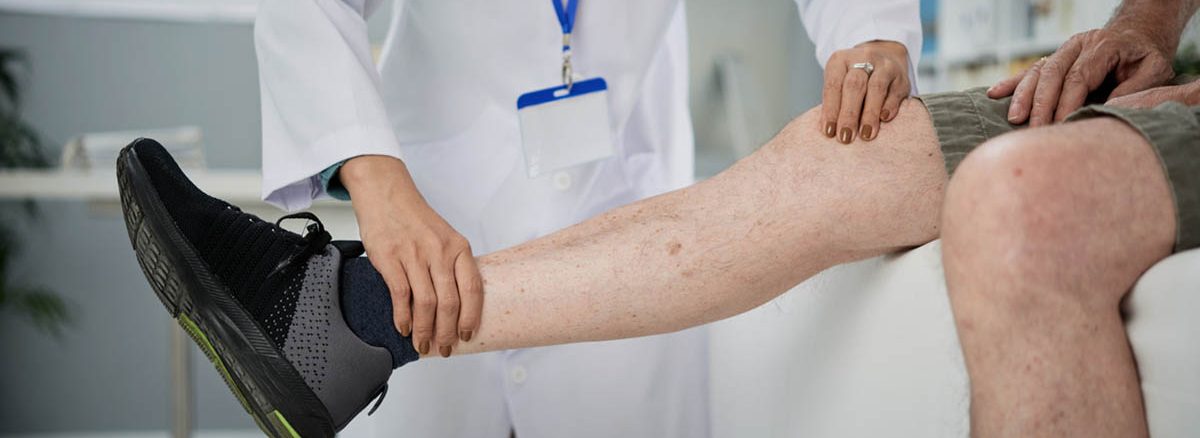
Knee replacement surgery is a significant step towards relieving chronic knee pain and restoring knee function for many individuals. Whether you’re undergoing a private knee replacement in Canada or elsewhere, the goal is to improve your quality of life and return to the activities you enjoy. However, the success of your knee arthroplasty largely depends on how well you adhere to postoperative care. Timely Medical can guide you through the recovery journey effectively. This article will explore the top five mistakes to avoid after knee replacement surgery to ensure a smooth recovery process and successful outcome.
Mistake 1: Not Moving Enough
Failing to engage in early movement can significantly hinder recovery from knee replacement surgery. After recent primary total knee replacement, interventions, including physical therapy exercises and exercise programs, show short-term improvements in physical function. What can you never do after knee replacement? One major mistake is remaining inactive. Gentle, guided activity is essential to regain strength and flexibility and promote proper wound care and healing.
Ignoring Physical Therapy
Physical therapy is one of the most crucial aspects of post-surgery rehabilitation after knee replacement surgery. Many patients must pay more attention to following their rehabilitation plan. Physical therapy sessions help restore strength, flexibility, and joint mobility in the new knee. They also aid in reducing knee pain and preventing knee replacement complications.
Skipping or neglecting physical therapy can lead to stiffness, decreased mobility, and longer recovery times. It’s essential to adhere to the prescribed exercises and attend all scheduled therapy sessions. Your physical therapist will guide you through appropriate exercises tailored to your needs, helping you regain function and return to daily activities more quickly.
Mistake 2: Overdoing Activities Too Soon

Rushing back into activities before your body is ready can lead to additional setbacks in your recovery period. Listening to your body and gradually reintroducing physical tasks is crucial to prevent the risk of complications and ensure a smooth transition through the stages of recovery.
Engaging in High-Impact Activities
After knee replacement surgery, it’s crucial to ease back into normal activities gradually. Engaging in high-risk activities too soon can place undue stress on your new knee, potentially leading to additional complications or damage to the knee implant. What can you never do after knee replacement includes resuming high-impact sports like running.
Many surgeons discourage patients from returning to high-impact activities like long-distance running due to concerns about the joint implant’s longevity and the risk of wear and tear. Instead, focus on low-impact exercises like swimming or cycling, which are gentler on the joint and can help maintain cardiovascular fitness without putting excessive strain on your knee.
Getting Back to Work
Returning to work too soon can also be problematic. Depending on the nature of your job, you may need to take more time off to ensure a complete recovery period. Jobs that require prolonged standing, heavy lifting, or frequent bending can exacerbate knee discomfort and hinder your healing journey. Consult with your healthcare professionals about an appropriate timeline for returning to work and consider options for modified duties if needed.
Driving Post-Knee Replacement Surgery
Driving is another area where patients often make mistakes. It’s crucial to wait until your knee surgeon gives you the green light to resume driving. This usually depends on your ability to control the vehicle and respond to potential hazards safely. Inappropriate driving too soon can be dangerous for you and others. Ensure you feel comfortable and confident before getting behind the wheel.
Mistake 3: Ignoring Warning Signs
Not heeding warning signs such as increased pain, excessive swelling, or fever can jeopardize knee replacement recovery. Communicating unusual symptoms to your healthcare provider promptly to address potential issues is essential.
Normal vs. Red Flag Pain in Knee After Surgery
Experiencing some pain and discomfort after knee replacement surgery is normal. However, it’s essential to differentiate between typical post-surgical pain and signs of complications. Normal pain should gradually decrease as you recover, while severe or worsening knee pain could indicate an issue such as joint infection or implant problems.
Ignoring Swelling that Is Getting Worse
Swelling is common after knee surgery but should gradually improve over time. If the swelling worsens or does not subside, it could be a sign of a problem. Increased swelling could indicate complications such as infection prevention or blood clots. Contact your healthcare provider if you experience persistent or severe pain.
Pus From Wound
Any discharge or pus from the surgical site is a red flag that should not be ignored. This could be a sign of a joint infection requiring prompt medical attention. Keeping your wound clean and dry is essential, but if you notice any signs of complications, such as increased redness, warmth, or discharge, seek medical advice immediately.
Mistake 4: Not Managing Pain Properly
Effective pain management is a critical component of recovery after knee replacement surgery. Many patients make the mistake of either underestimating their pain or over-relying on prescribed pain medications. What not to do after knee replacement is to neglect proper pain management. Adequate pain management involves finding a balance between taking medications and incorporating non-pharmacological methods like ice packs, elevation, and relaxation techniques.
Following your knee surgeon’s instructions regarding pain management techniques is important. Taking too much can lead to adverse effects or addiction to pain medications, while taking too little can hinder your ability to participate in necessary physical therapy sessions. Regularly assess your pain levels and communicate with your healthcare professionals to adjust your pain relief plan as needed.
Mistake 5: Not Following Post-Surgery Instructions
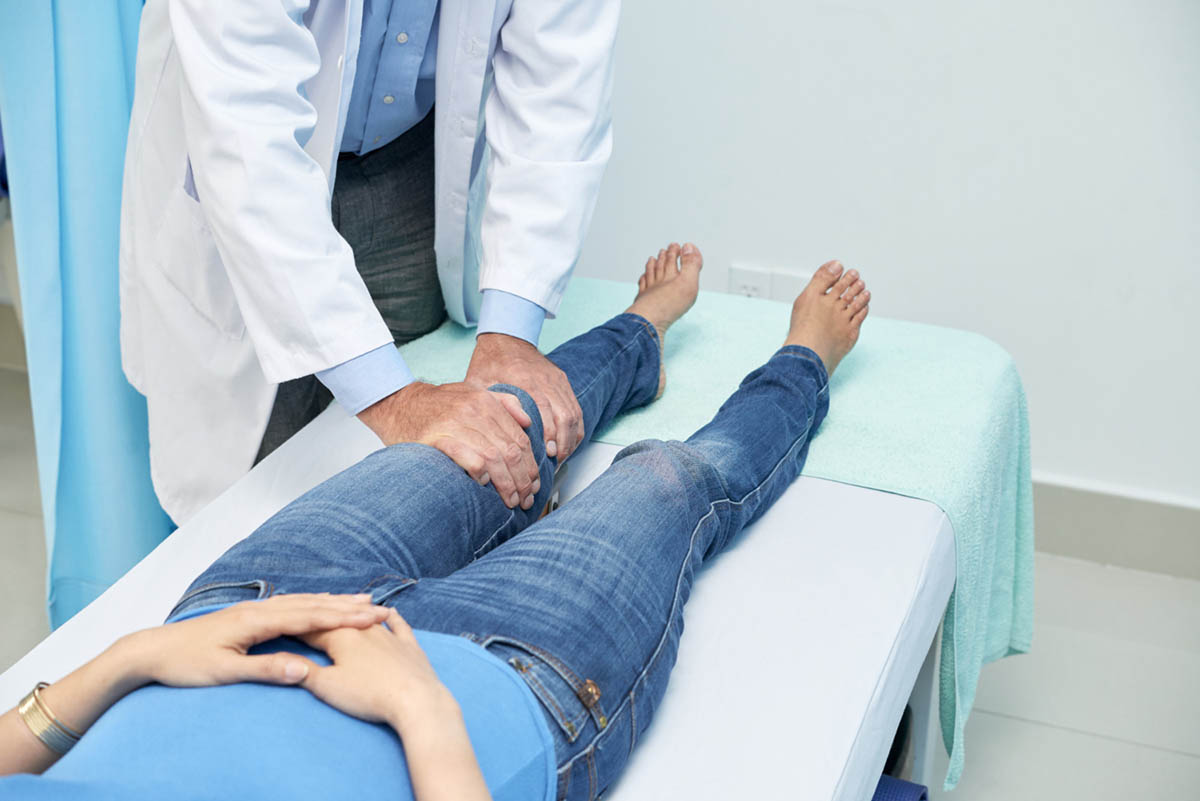
Your orthopedic surgeon and healthcare team provide specific postoperative care instructions to ensure optimal recovery. What can you never do after knee replacement is to disregard these guidelines. Failing to follow these instructions can lead to additional complications or delays in your recovery journey. These instructions may include guidelines on activity levels, wound care, medication usage, and regular follow-up appointments.
Ensure you fully understand and adhere to all post-surgery guidelines. If you have any questions or uncertainties, please contact your doctor for advice. Following these instructions is essential for a smooth recovery and achieving the best possible outcome from knee replacement surgery.
Conclusion
Avoiding these common mistakes can significantly impact the success of your knee replacement recovery and overall healing journey. By staying committed to physical therapy, managing activities and pain appropriately, paying attention to warning signs, and following post-surgery instructions, you can maximize the benefits of your new knee and return to the activities you love. Many studies show that 90-95 percent of total knee replacements still function well ten years after surgery, with most patients walking without a cane and resuming their desired recreational activity. Your dedication to proper care and rehabilitation is crucial in achieving these long-term benefits of knee replacement.
FAQ’S
What happens if you walk too much after knee replacement surgery?
Walking too much after knee replacement surgery can lead to increased pain, swelling, and potential damage to the knee implant. It’s important to follow your surgeon’s recommendations on the appropriate amount of walking and gradually increase your activity level as advised.
What are the red flags of knee replacement?
Red flags after knee replacement include severe or worsening pain, significant swelling that doesn’t improve, pus or discharge from the wound, and any signs of infection, such as increased redness or warmth around the surgical site. If you notice any of these symptoms, prompt medical attention is crucial.
What are the permanent restrictions after knee replacement?
While many patients resume their desired activities after knee replacement, some permanent restrictions may apply. Surgeons often advise against high-impact activities like long-distance running to preserve the joint implant’s longevity. Always consult your orthopedic surgeon about specific activity restrictions based on your situation.

Leave feedback about this
You must be logged in to post a comment.