

Hip replacement surgery is a highly effective procedure for alleviating chronic pain and improving mobility in patients suffering from severe hip conditions. It is widely regarded as highly successful, with approximately 95% of patients reporting significant relief from their hip pain and improved mobility post-procedure. However, for some patients, the post-surgical recovery phase can include discomfort in the buttocks or pelvic region, a symptom that may raise concerns. Buttock pain after hip replacement surgery, while not uncommon, requires careful attention to determine its causes and the best management strategies. This blog explores the potential causes of buttock pain after hip replacement, diagnostic approaches, and effective treatments to help patients on their journey to full recovery.
Anatomy of the Hip and Buttock Region
Understanding the anatomy of the hip and buttock region is essential for identifying the underlying causes of discomfort. The hip joint comprises the acetabular portion of the pelvis and the femoral component, forming a ball-and-socket structure. Surrounding this joint are muscles, such as the gluteus medius and gluteus maximus, as well as the gluteal tendons, which are critical for maintaining stability and movement.
Postoperative discomfort in this region can stem from issues with the trochanteric attachment, the ischial bursae, or even the lateral femoral cutaneous nerve, which runs near the hip. Understanding these structures is vital for diagnosing and treating buttock pain.
Common Causes of Buttock Pain Post-Hip Replacement
Buttock pain after hip replacement can arise from various underlying issues, ranging from surgical factors to complications in surrounding tissues. Identifying these common causes of buttock pain post-hip replacement is essential for effective diagnosis and management. This section delves into the potential contributors to post-surgical discomfort, including tendon injuries, nerve complications, and referred pain, offering insights into how each might affect recovery.
Gluteal Tendinopathy
Gluteal tendinopathy is a common cause of buttock pain after hip replacement. It occurs when the gluteal tendons are irritated or inflamed, often due to overuse or altered biomechanics after surgery. Gluteal tendon reconstruction may be required in severe cases to restore proper function.
Surgical Technique Implications
The surgical approach during hip replacement can influence postoperative outcomes. For instance, soft tissue disruption or improper healing at the trochanteric attachment site may lead to trochanteric pain syndrome, causing localized pain and swelling.
Abductor Mechanism Injuries
Damage to the abductor muscles or tendons during surgery can result in a gluteus medius tear or weakness, which may manifest as pain and instability. Proper evaluation and physical therapy can address these issues.
Superior Gluteal Nerve Injury
Injuries to the superior gluteal nerve can occur during hip replacement surgery. This may result in buttock pain, weakness, or altered sensation in the area. Ultrasound guidance during treatment can help minimize further nerve complications.
Hematoma Formation
A hematoma, or localized blood collection, can develop in the buttock following surgery. This condition is often associated with swelling and inflammation and may require drainage or additional medical care to alleviate the discomfort.
Referred Pain
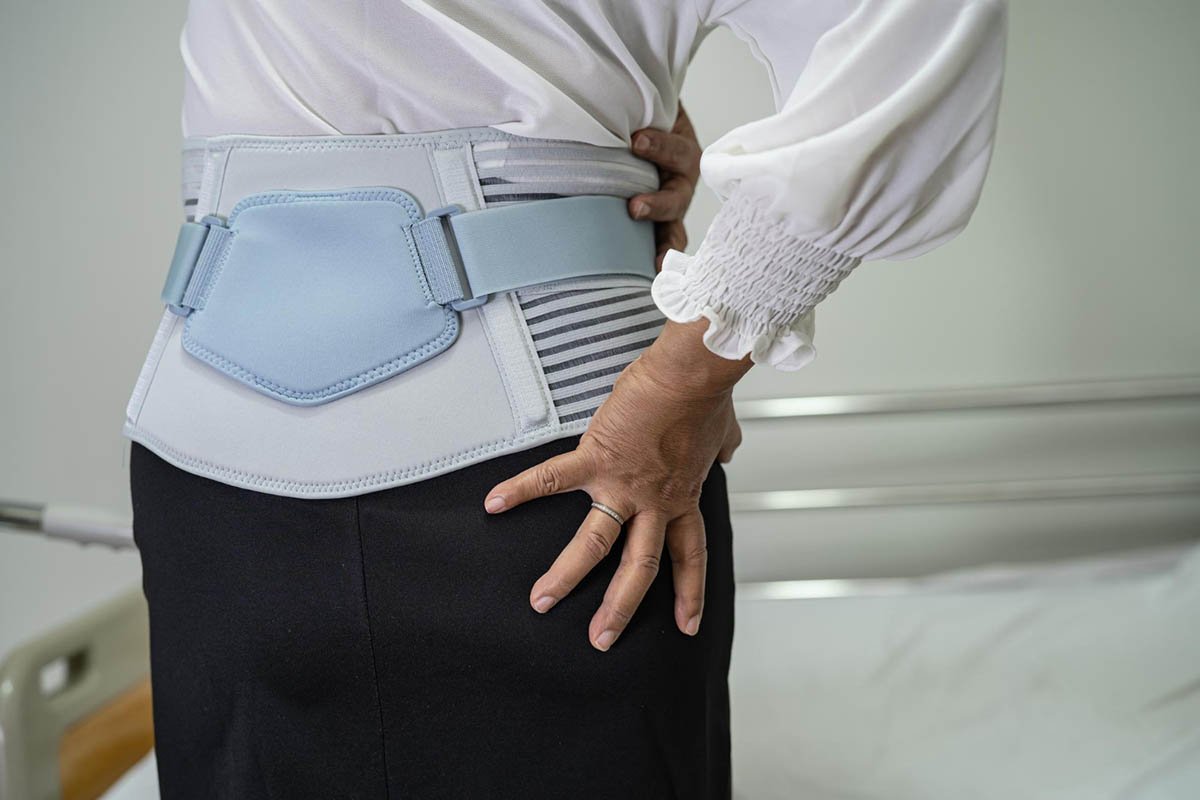
Buttock pain can also originate from other areas, such as spinal pathology or the sacroiliac joint (SI joint). Studies indicate that referred pain can occur following hip replacement, with about 71% of patients experiencing pain in the buttock and 22% reporting pain that radiates below the knee. Degenerative disc joints or sciatic nerve entrapment may exacerbate this issue, leading to mobility pain that mimics post-surgical symptoms.
Diagnostic Approaches
Accurate diagnosis is key to addressing buttock pain after hip replacement. A combination of clinical assessments and advanced imaging techniques helps pinpoint the source of discomfort, enabling tailored interventions for optimal recovery.
Physical Examination
A thorough physical examination involves evaluating range of motion, identifying tender areas, and assessing muscle strength. This step provides initial clues about whether pain is due to soft tissue irritation, nerve issues, or structural complications.
MRI Scan
An MRI scan offers detailed imaging of the hip and buttock region, helping identify conditions such as gluteus medius tears, trochanteric region inflammation, or soft tissue injuries. It is particularly useful for uncovering issues that may not be visible on X-rays.
Pain Management Strategies
Effective pain management after hip replacement involves a combination of conservative and advanced interventions. A tailored pain management plan can include medications, therapies, and minimally invasive techniques to alleviate discomfort and improve recovery.
Pain Medications
Anti-inflammatory medications and prescribed pain relievers are fundamental to managing swelling and inflammation. These treatments provide immediate relief and reduce the risk of chronic post-surgical pain.
Physical Therapy
Targeted physical therapy focuses on muscle strengthening and restoring mobility. Exercises designed for the gluteus medius tear and other conditions can accelerate healing.
At Timely Medical, we understand patients’ challenges during their recovery journey after hip replacement surgery. Our commitment to delivering fast, accessible, and specialized medical care ensures you receive expert support for managing concerns such as buttock pain after hip replacement. With a focus on comprehensive diagnostics, advanced treatments, and personalized care plans, Timely Medical empowers patients to regain mobility and enhance their quality of life. Visit our website to learn how we can help you achieve a smoother recovery.
Prolotherapy
Prolotherapy is a regenerative treatment that involves injecting an irritant solution into damaged tissues to stimulate the body’s natural healing response. This technique promotes tissue repair and strengthens ligaments and tendons, making it an effective option for managing persistent post-surgical pain and improving stability in the hip and buttock region. It is often used as a non-surgical alternative to address chronic pain conditions and promote long-term recovery.
Alternative Therapies
Complementary treatments such as acupuncture, prolotherapy, and chiropractic care offer additional options for managing pain. These therapies can address physical discomfort and promote overall well-being during recovery.
Rehabilitation and Recovery

Rehabilitation is crucial to achieving a successful outcome following hip replacement surgery. Patients can minimize complications and promote long-term healing by focusing on proper postoperative care. This section explores essential strategies for rehabilitation and recovery, including lifestyle modifications, physical therapy, and regular monitoring, to ensure patients regain optimal mobility and quality of life.
Postoperative Care
Adhering to precautions after hip replacement, such as avoiding excessive weight-bearing or abrupt movements, minimizes the risk of complications. Monitoring for signs of prosthetic joint infection or instability is also essential.
Lifestyle Modifications
Adopting healthier habits, such as maintaining a healthy weight and engaging in low-impact exercises, can significantly aid recovery. These lifestyle modifications help reduce stress on the hip joint and prevent complications in the long term.
Monitoring Progress
Regular consultations with pain management doctors or specialists ensure a tailored pain management plan is in place. Monitoring recovery milestones and adjusting treatment strategies can optimize outcomes.
Conclusion
Experiencing buttocks or pelvic region discomfort after hip replacement can be unsettling, but understanding the potential causes and treatment options allows patients to take control of their recovery. By leveraging both conservative and interventional options, individuals can overcome persistent post-surgical pain and regain their quality of life.
FAQs
Is buttock pain normal after hip replacement?
Yes, mild buttock pain after hip replacement is common as the body adjusts to the new joint. However, persistent or severe pain should be evaluated by a healthcare provider.
How do you know if something is wrong after hip replacement?
Signs of complications include swelling and inflammation, persistent pain, fever, or difficulty walking. An MRI report or physical exam can confirm potential issues like loosening, infection, or bone-prosthesis micromotion.
What are the symptoms of nerve damage after hip replacement?
Nerve damage may cause sharp pain, numbness, tingling, or weakness in the affected area. Sciatic nerve entrapment or injury to the lateral femoral cutaneous nerve should be assessed promptly.
