

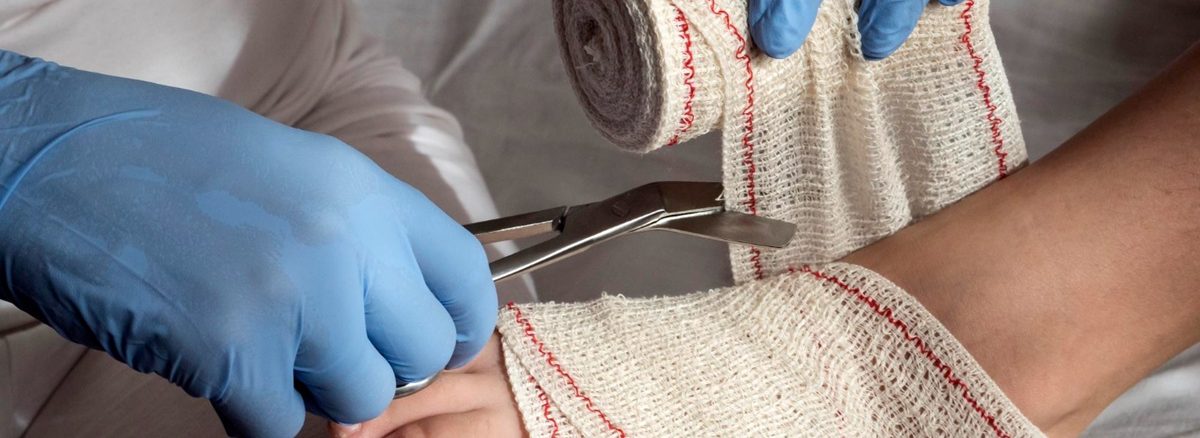
Foot surgery can be a life-changing procedure for individuals suffering from chronic pain, deformities, or mobility issues related to the foot and ankle. Whether it’s bunion surgery, hammertoe correction surgery, or total ankle replacement (TAR), foot surgery aims to restore function and alleviate discomfort. Knowing the different foot surgery types, recovery expectations, and potential risks is crucial for anyone considering surgical intervention. This guide provides a comprehensive look at foot and ankle orthopedic surgery, from common conditions requiring surgery to post-operative care. If you’re dealing with issues like plantar fasciitis, Achilles tendon rupture, or foot and ankle arthritis, this blog will help you navigate your options.
Understanding Foot Surgery
Foot surgery is often required when non-surgical treatments fail to provide relief. Conditions affecting the foot and ankle musculoskeletal system can cause significant pain and limit mobility, making surgery necessary for some individuals. According to recent trends, the number of foot and ankle procedures performed annually has been steadily increasing, indicating a rising demand for surgical interventions. In many cases, orthopedic surgeons are the primary specialists treating common foot and ankle traumatic injuries as well as complex conditions like Total Ankle Replacement (TAR), which addresses severe damage to the ankle joint. These surgical options help patients regain function and improve their quality of life.
Overview of Foot Anatomy
The human foot is a highly intricate structure composed of 26 bones, including the tibia, fibula, and talus bone, which together form the ankle joint. It also contains 33 joints, such as the metatarsophalangeal joint (MTPJ), which connects the toes to the foot, allowing for movement and flexibility. Additionally, the foot is supported by more than 100 muscles, ligaments, and tendons, including the tibialis posterior tendon, which plays a crucial role in maintaining the foot’s arch. Each of these components contributes to movement and weight-bearing, but due to daily stress, injuries, and various medical conditions, many individuals develop foot problems that may require orthopedic surgery to restore function and alleviate pain.
Common Conditions Requiring Foot Surgery
Several conditions may necessitate foot reconstruction or other surgical procedures, especially when non-surgical treatments fail to provide relief. These conditions can cause significant pain, deformity, and mobility issues, making daily activities challenging. Some of the most common conditions that may require surgical intervention include:
Bunions
A bunion, or hallux valgus, is a painful, bony lump that forms at the base of the big toe due to misalignment of the metatarsophalangeal joint (MTPJ). Over time, it can cause the toe to deviate outward, making walking difficult and often leading to additional foot problems such as hallux rigidus or arthritis. Bunionectomy, a bunion correction surgery, realigns the bone and soft tissue to restore normal foot function and alleviate pain. In some cases, an osteotomy may be performed to reposition the affected bone.
Hammertoes
Hammertoes result from an imbalance in the tendons and ligaments, causing the toe to bend into a clawed or deformed shape. The condition can worsen over time, leading to pain, difficulty wearing shoes, and increased risk of corns or calluses due to friction. Hammertoe correction surgery involves procedures like tendon transfer or joint resection to straighten the affected toe and restore its natural alignment. In severe cases, an arthrodesis (bone fusion procedure) may be necessary to provide long-term stability.
Plantar Fasciitis
A leading cause of heel pain, plantar fasciitis occurs when the instep arch tissue becomes inflamed due to excessive strain on the plantar fascia ligament. This condition is common among athletes and individuals who spend long hours standing or walking. Plantar fasciitis surgery, such as plantar fascia release or decompression surgery, may be necessary if other treatments, like orthotics, physical therapy, or anti-inflammatory medications, fail. Some cases also benefit from cryogenic surgery, which targets pain-causing nerves to provide relief.
Types of Foot Surgery
Foot surgery types vary based on the specific condition and severity of the injury. The goal of surgery may range from aligning broken bones to fusing painful joints or removing excess tissue to reduce discomfort. In some cases, tendon repairs or ligament reconstructions may be necessary. For severe damage to the ankle joint, total ankle replacement (TAR) can be considered, as it provides an effective solution for managing ankle arthritis and alleviating chronic pain. Each surgical approach is tailored to address the individual needs of the patient and the specific condition being treated.
Bunionectomy
A bunionectomy involves removing the bony bump and realigning the joint to correct hallux valgus. This procedure may also involve an osteotomy, where the bone is cut and repositioned to improve foot alignment. In severe cases, joint resection or arthrodesis may be required to stabilize the affected area and prevent recurrence.
Hammertoe Correction
In hammertoe correction surgery, a tendon transfer or joint resection may be performed to straighten the affected toe. If the condition is more advanced, an arthroplasty or arthrodesis (bone fusion procedure) might be necessary to maintain proper toe alignment. The recovery process typically involves wearing a special shoe or using crutches to minimize weight-bearing on the foot.
Plantar Fascia Release
For severe plantar fasciitis, decompression surgery is performed to release tension in the plantar fascia and reduce inflammation. This procedure may involve cryogenic surgery, which targets the affected nerves to relieve chronic heel pain. Patients undergoing plantar fasciitis surgery may need physical therapy afterward to strengthen the foot muscles and improve flexibility.
Metatarsal Surgery
This includes metatarsal foot surgery, which corrects deformities in the metatarsal bones and relieves pressure on the foot. It is commonly performed to address conditions like Morton’s neuroma, metatarsophalangeal joint (MTPJ) dysfunction, and synovitis (joint inflammation). Depending on the severity, the procedure may involve bone fusion, osteotomy, or tendon reattachment to restore normal foot function.
Ankle Arthritis Surgeries
Ankle arthritis is a degenerative condition that causes stiffness, pain, and swelling in the ankle joint, often leading to difficulty in walking and performing daily activities. When non-surgical treatments such as orthotics, physical therapy, and medications fail to provide relief, foot and ankle arthritis surgeries may be necessary to restore function and alleviate pain. Surgical options range from ankle fusion (arthrodesis) to total ankle replacement (TAR), depending on the severity of arthritis and the patient’s overall health.
- Ankle Fusion: This bone fusion procedure eliminates pain by permanently joining bones, preventing movement in the arthritic joint. It is commonly performed in patients with severe ankle arthritis or foot and ankle musculoskeletal system disorders that do not respond to non-operative options. Although it limits flexibility, ankle arthrodesis significantly improves stability and allows patients to walk without pain. Full recovery can take several months, and the use of crutches or a special shoe is often required during the healing process.
- Ankle Replacement: This procedure replaces the damaged ankle joint with an artificial joint, improving mobility and reducing pain. Total ankle replacement (TAR) is typically recommended for individuals with advanced osteoarthritis who want to preserve joint motion. The surgery involves bone cement or prosthesis implantation, which allows for smoother joint movement. Patients undergoing ankle joint replacement usually require physical therapy to regain strength and flexibility in the foot and ankle.
Foot Surgery Recovery
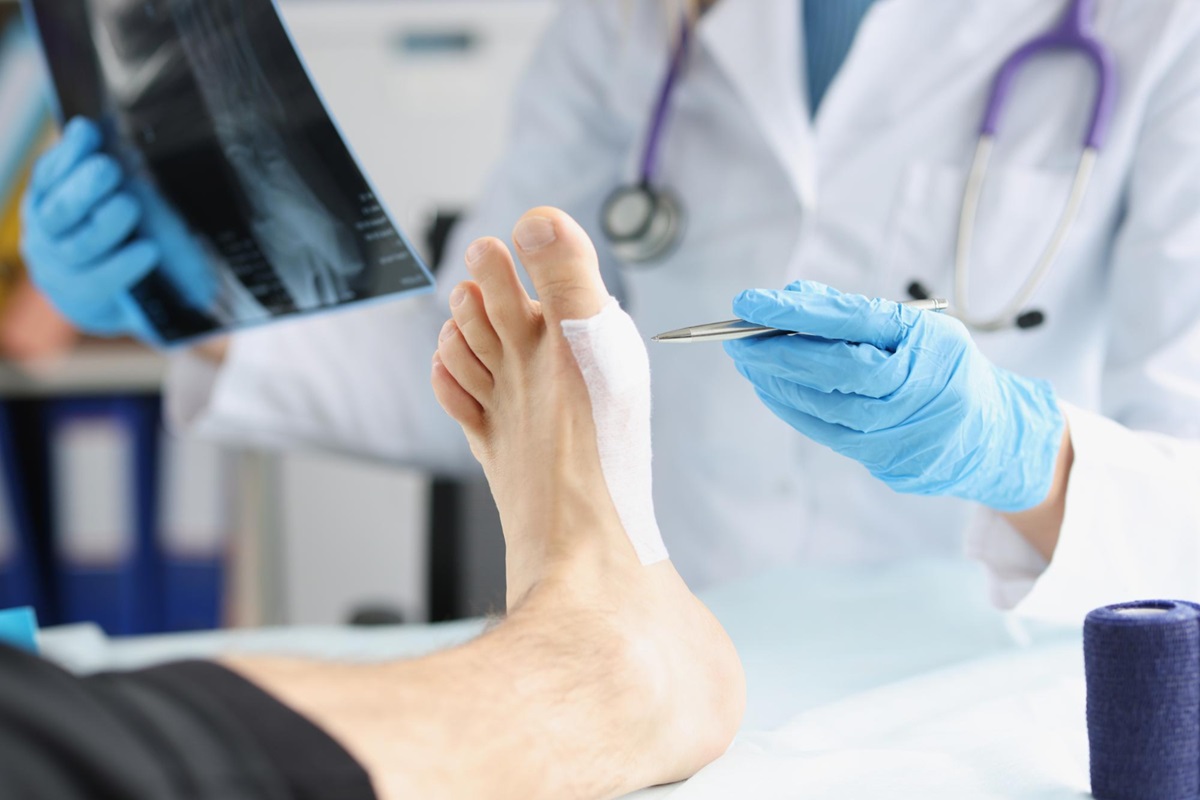
Foot surgery recovery varies based on the procedure performed, the patient’s overall health, and adherence to post-operative care guidelines. Some surgeries require only a few weeks of healing, while more complex procedures, such as ankle fusion or tendon replacement, may take several months. Proper wound care, limited weight-bearing, and following a structured rehabilitation plan with a physical therapist are essential for a smooth recovery. Additionally, wearing a special shoe or using prosthetics can help support the foot and aid in mobility during the healing process.
General Recovery Guidelines
Proper recovery after foot surgery is essential to ensure successful healing and prevent complications. Following post-operative care instructions, including wound management, activity modifications, and physical therapy, can significantly impact foot surgery recovery time. Patients may need to use crutches, wear a special shoe, or undergo rehabilitation with a physical therapist to regain strength and mobility in the affected foot.
- Post-Operative Care: Keeping the foot elevated and using a velcro surgical shoe or crutches helps minimize swelling and avoid weight-bearing stress on the healing foot. Proper wound care is essential to reduce infection risk, and patients may need pain management medications or anti-inflammatory drugs for comfort. In some cases, an occupational therapist may provide guidance on adapting daily activities during the recovery period. Regular follow-up visits with an orthopedic foot and ankle specialist ensure that the healing process is progressing as expected.
- Physical Therapy: A physical therapist will guide exercises to restore movement and strength, helping patients regain balance and mobility after foot surgery. Therapy may include stretching, strength training, and balance exercises to improve foot and ankle function. Techniques such as tendon transfer exercises and sports injury rehabilitation can accelerate healing and prevent future complications. Consistent participation in therapy is crucial for a successful recovery and long-term foot health.
Recovery Times for Specific Surgeries
The foot surgery recovery time varies depending on the procedure, the severity of the condition, and the individual’s healing ability. Some surgeries, such as bunionectomy and hammertoe correction surgery, may require a recovery period of several weeks, while more complex procedures like ankle arthrodesis or total ankle replacement (TAR) can take months. Adhering to the recommended rehabilitation plan, including physical therapy and gradual weight-bearing, plays a crucial role in achieving a smooth and successful recovery.
- Bunionectomy: Recovery from a bunionectomy typically takes about six weeks, though bunion surgery recovery can vary based on the severity of the bunion and the surgical technique used. Patients must avoid excessive walking and wear a special shoe or orthotic support to reduce pressure on the foot. Swelling may persist for several months, and physical therapy is often recommended to restore foot flexibility. In cases of severe hallux valgus, additional procedures such as osteotomy or cheilectomy may be needed.
- Hammertoe Correction: Hammertoe correction surgery can take up to six weeks to heal, depending on the extent of the procedure and whether joint resection or tendon transfer was performed. Post-surgery, patients may need to wear protective footwear or avoid weight-bearing activities to prevent complications. If bone fusion is involved, recovery may be longer, requiring additional time for complete healing. Follow-up appointments with an orthopedic foot and ankle specialist are necessary to monitor progress and ensure proper toe alignment.
- Plantar Fasciitis Surgery: Plantar fasciitis surgery recovery time ranges from three to ten weeks, depending on the surgical approach and the patient’s healing ability. Plantar fascia release may require additional rehabilitation to strengthen the instep arch and restore foot function. Some patients benefit from cryogenic surgery, which targets nerves to provide long-lasting pain relief. To aid in recovery, wearing supportive footwear and avoiding high-impact activities is highly recommended.
Preparing for Foot Surgery
Proper preparation improves surgical outcomes and ensures a smoother foot surgery recovery time by reducing potential risks and complications. Patients may need to undergo medical assessments and imaging studies such as X-rays or MRIs to help surgeons plan the procedure effectively. Lifestyle changes, such as smoking cessation and weight management, can also enhance healing and minimize post-operative issues. Additionally, discussing any concerns with an orthopedic foot and ankle specialist can help patients understand what to expect before, during, and after the surgical procedure.
Pre-Surgical Evaluations
Before undergoing foot surgery, a thorough pre-surgical evaluation is essential to assess the patient’s overall health and identify any potential risks. These evaluations help the orthopedic foot and ankle specialist determine the most appropriate surgical approach and ensure a safe procedure.
- Medical Assessments: Medical assessments are crucial in preparing for foot surgery and typically include blood tests, imaging studies like foot and ankle arthroscopy, and consultations with an anaesthetist to assess anesthesia risks. These evaluations ensure that the patient is in optimal health for surgery and help to identify any underlying conditions that might affect the procedure. In some cases, additional tests may be required to assess heart health or respiratory function, especially for patients with pre-existing conditions.
- Imaging Studies: Imaging studies such as X-rays, MRIs, or CT scans help the surgeon understand the exact nature of the foot problem and plan the surgical procedure accordingly. By getting detailed images of the bones, joints, and soft tissues, surgeons can determine the best approach and avoid complications. These studies are also critical for identifying hidden issues, such as bone spurs or degenerative changes that may need to be addressed during surgery.
Lifestyle Modifications
Making necessary lifestyle modifications before surgery can improve healing and reduce the risk of complications during foot surgery recovery. Simple changes, such as maintaining a healthy weight and quitting smoking, can significantly enhance post-operative outcomes and overall foot health.
- Smoking Cessation: Smoking cessation before surgery is essential for reducing infection risk and improving healing. Smoking impairs blood flow and delays tissue regeneration, which can lead to complications such as wound infections and slower recovery. Quitting smoking several weeks before surgery can significantly improve surgical outcomes and enhance the body’s ability to heal effectively.
- Weight Management: Weight management is another important consideration before foot surgery, as it helps ease pressure on the foot during the recovery process. Maintaining a healthy weight reduces strain on the foot and ankle joints, which can expedite healing and prevent complications such as joint resection or metatarsal foot surgery from causing additional stress on the body. Following a proper diet and exercise plan before surgery can also help improve overall health and promote faster recovery.
Potential Risks and Complications

Like any procedure performed by an orthopedic foot and ankle specialist, foot surgery carries some risks that patients must be aware of before undergoing treatment. These risks, while uncommon, can impact recovery and may require additional medical attention. Knowing these potential complications allows patients to make informed decisions about their treatment options and ensure the best possible outcome.
Infection
Post-operative infections are a potential complication of foot surgery and can delay healing, leading to longer recovery times. Symptoms of infection may include increased redness, swelling, and fever around the surgical site, which may require antibiotics or, in severe cases, additional surgery to remove infected tissue. Proper wound care and hygiene are essential to minimize the risk of infection following any surgical procedure.
Nerve Damage
Nerve damage during foot surgery can cause numbness, tingling, or a loss of sensation in the foot or toes, which may be temporary or, in rare cases, permanent. This complication is more common in surgeries involving the metatarsophalangeal joint (MTPJ) or tendon reattachment but can occur with any invasive procedure. Surgeons take great care to avoid nerve injury, and physical therapy may help improve sensation and reduce discomfort in the long term.
Blood Clots
Blood clots, particularly deep vein thrombosis (DVT), are a risk following foot surgery, especially during prolonged immobility after the procedure. DVT occurs when a clot forms in a deep vein, often in the leg, and can lead to serious complications if it travels to the lungs, causing a pulmonary embolism. To reduce the risk, patients are encouraged to engage in light physical activity and use compression stockings or other preventive measures recommended by their healthcare provider.
Alternatives to Surgery
Not all foot conditions require reconstructive procedures, and non-surgical treatments can be effective for many people. Options such as custom orthotics, physical therapy, and medications can help alleviate pain and restore function without the need for foot surgery. In cases where non-operative treatments are insufficient or you need quicker access to care, Timely Medical Alternatives can provide a valuable solution. Timely Medical Alternatives specializes in connecting patients with private healthcare options, offering expedited access to top medical professionals for conditions like plantar fasciitis, bunion surgery recovery, and more. Contact Us today to explore how we can help you find the right treatment for your needs and avoid long wait times.
Non-Surgical Treatments
For many foot conditions, non-surgical treatments can effectively manage symptoms and improve mobility without the need for invasive procedures. These treatments are often the first line of defense, offering relief for conditions such as plantar fasciitis, hammertoe, and bunion pain. Depending on the severity of the condition, a combination of therapies may be used to alleviate discomfort and restore function to the foot.
- Orthotics: Orthotics, or custom-made shoe inserts, help to relieve pressure on painful areas of the foot and provide better support for the arch and heel. These devices are especially effective for conditions like flat feet, plantar fasciitis, or metatarsal foot surgery recovery, as they help distribute weight evenly and reduce strain on the affected areas. In many cases, orthotics can be a long-term solution to prevent further complications and improve overall foot function.
- Physical Therapy: Physical therapy plays a crucial role in strengthening the muscles of the foot and ankle, preventing the worsening of conditions such as hammertoe or tibialis posterior dysfunction. Through targeted exercises, patients can improve flexibility, increase strength, and correct alignment, reducing the need for foot surgery. Additionally, a physical therapist can provide guidance on proper walking techniques to reduce pressure on problem areas, helping to prevent future injuries.
- Medications: Medications, particularly anti-inflammatory drugs, are commonly used to reduce pain and swelling caused by foot conditions such as arthritis or Morton’s neuroma. Nonsteroidal anti-inflammatory drugs (NSAIDs) can provide short-term relief, helping patients manage discomfort while exploring other treatment options. In some cases, corticosteroid injections may be used to target inflammation directly, offering more immediate relief when oral medications are not effective.
Conclusion
If you’re considering foot surgery, it’s essential to understand the available options, foot surgery recovery time, and potential risks. Consulting with an orthopedic foot and ankle specialist will help determine the best course of action. Whether it’s flat foot reconstruction, cheilectomy, or tendon replacement, surgical interventions can significantly improve mobility and quality of life.
FAQs
How long does it take to recover from foot surgery?
Recovery time varies based on the procedure but typically ranges from six weeks to several months. Factors such as the type of surgery, the patient’s overall health, and adherence to post-operative care guidelines also play a role in the recovery process.
How do I know if I need foot surgery?
If non-operative options fail and your foot pain affects daily life, your doctor may recommend surgery. It’s important to consult with an orthopedic foot and ankle specialist to explore all options and determine if surgery is the best course of action.
Is foot surgery painful?
Pain is managed with medications, and discomfort decreases as healing progresses. Minimally invasive surgery can also reduce post-operative pain.
