

Undergoing gallbladder removal surgery is a major milestone in managing gallbladder-related issues like gallstones and infections. While the surgery provides long-term relief from pain and discomfort, your recovery process involves adjusting your lifestyle, especially your diet. In this guide, we’ll dive into the specifics of the gallbladder removal recovery diet, providing you with the practical dietary advice you need. This includes foods to eat, foods to avoid, and strategies for supporting digestion and healing during your recovery from gallbladder removal surgery. Whether you’re looking to avoid digestive symptoms or support optimal health post-surgery, this blog covers it all.
Why the Gallbladder Is Removed
Gallbladder removal, also known as cholecystectomy, is commonly performed to treat conditions like gallstones, infections, or chronic gallbladder inflammation. Gallstones—solid particles that form in the gallbladder—can obstruct bile ducts, causing severe pain, infection, or even the risk of organ damage. Surgery is often the best option when other treatments don’t work, providing relief from these chronic problems.
The gallbladder removal procedure is generally considered safe, and for many individuals, it results in long-term improvement in quality of life. While the body adapts to life without a gallbladder, you may experience changes in your digestive system, which is why following a structured gallbladder removal surgery recovery diet is so important for a smooth recovery.
Changes to Digestive Processes
One of the most notable changes post-surgery is the alteration in bile flow. Without the gallbladder to store bile, the bile produced by the liver flows continuously into the small intestine rather than being released in bursts to aid in fat digestion. This can lead to changes in your digestive process, especially how fats are processed. Bile acid metabolism is more constant without the gallbladder, leading to a few digestive symptoms like bloating, diarrhea, and indigestion. These are typical as your body adjusts to the new digestive dynamics.
How Gallbladder Removal Affects Digestion
After gallbladder removal, your digestive system undergoes significant changes. The liver continues to produce bile, but the bile flow is less controlled without a storage mechanism. While the body can adapt over time, it’s important to be mindful of your diet for gallbladder removal recovery to avoid discomfort and ensure smooth digestion.
The Role of Bile in Fat Digestion
Bile is a crucial digestive fluid that breaks down fats in our food. Without a gallbladder, bile constantly flows into the small intestine, leading to a more continuous, rather than controlled, fat digestion process. This constant flow of bile can be overwhelming for the digestive system when consuming larger quantities of fatty foods.
A low-fat diet is essential during the gallbladder removal recovery phase because large amounts of fat can cause discomfort and bloating. Eating small, manageable portions of healthy fats, such as those found in healthy cooking oils like olive or avocado, can help your body adjust to these new digestive processes without causing too much strain.
Potential Symptoms After Surgery
Some common digestive symptoms after gallbladder removal include diarrhea, bloating, and food intolerance. These symptoms occur because your digestive system adjusts to the continuous flow of bile. The bile flows directly into the small intestine in small amounts, which can cause certain foods—especially fatty meats and processed foods—to pass through the digestive tract more quickly, leading to diarrhea or an upset stomach.
In some cases, individuals may experience loose stools or diarrhea following a cholecystectomy. These symptoms are usually temporary and may subside within a few days, but for some, they can persist for several weeks as the body adapts to its new digestive processes. It’s important to carefully manage your diet for gallbladder removal recovery to reduce these symptoms. Eating small, easily digestible meals and avoiding foods that trigger discomfort can help the body adjust more smoothly during this phase.
Foods to Eat During Gallbladder Recovery
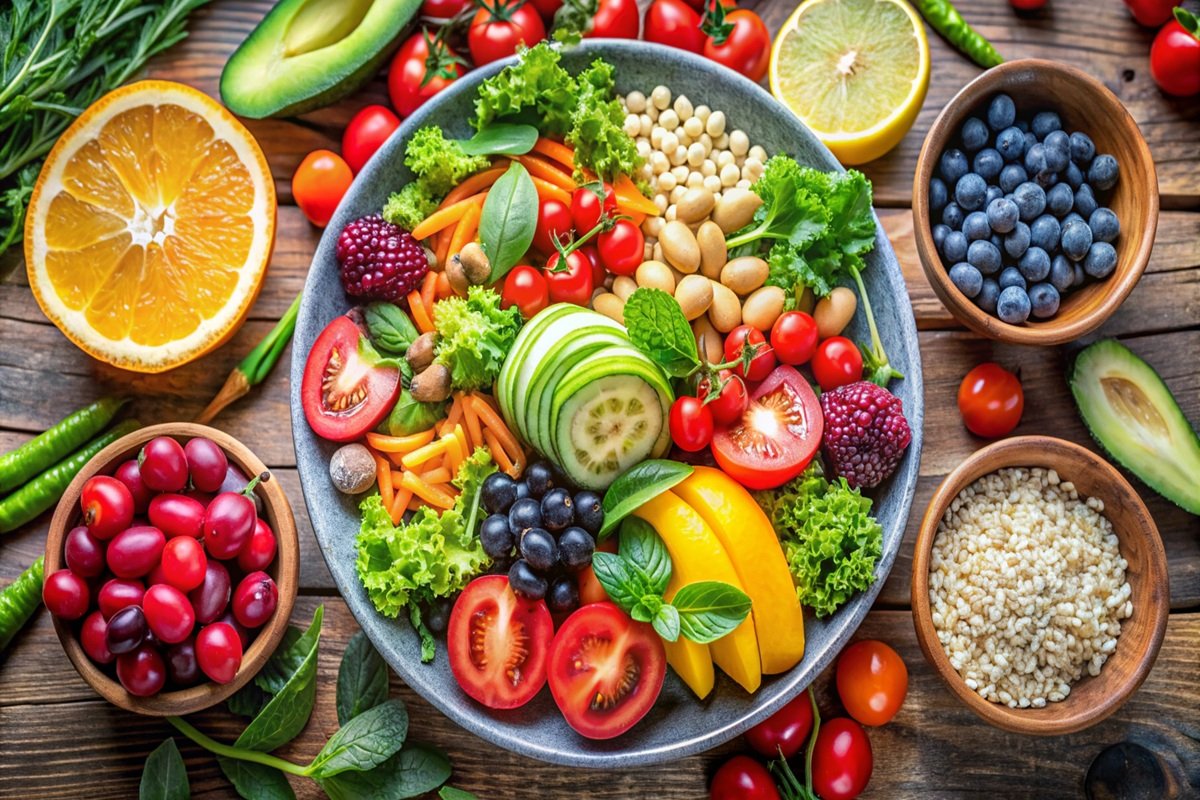
After gallbladder surgery, what you eat significantly affects how well your digestive system adapts. In the first few days, a clear liquid diet is recommended to give your digestive system a chance to heal. As you progress, it’s important to incorporate anti-inflammatory foods, fiber-rich foods, and lean proteins to promote digestion and reduce inflammation.
Start With Clear Liquids and Soft Foods
In the immediate aftermath of surgery, you should start with easy-to-digest options like broths, gelatin, herbal teas, oatmeal, and bananas. These foods are gentle on the stomach and help maintain hydration. Since your digestive system is still adjusting to its new function, clear liquids and soft foods are easy on your intestines while providing some nutrition.
Clear liquids like broth or gelatin are easy to digest and help with hydration, which is critical during recovery. Staying hydrated supports gut health and helps with the healing process. Once your body is ready, you can gradually reintroduce soft foods, starting slowly to avoid overwhelming your system.
Focus on Low-Fat, High-Fiber Foods
After the initial liquid phase, it’s important to focus on a low-fat diet to avoid triggering digestive issues like bloating or diarrhea. Lean meats, such as grilled chicken or lean turkey, provide excellent protein without overwhelming the digestive system. Incorporating high-fiber foods, like leafy greens, whole grains, and berries, can help promote healthy digestion and prevent discomfort. Fiber also helps absorb excess bile in the digestive tract, reducing the risk of diarrhea.
Low-fat foods typically contain 3 grams or less of fat per serving, making them an ideal choice during the recovery phase after gallbladder surgery. These foods are easier on your digestive system and help reduce the risk of discomfort or digestive upset. Soluble fiber-rich foods, such as oats and apples, can be particularly beneficial because they help form a gel-like substance in the stomach, slowing digestion and reducing irritation from bile acid. Foods that promote healthy gut flora, like prebiotics found in bananas and garlic, are also valuable.
Add Probiotic-Rich Foods Gradually
Probiotics, found in foods like yogurt, kefir, and sauerkraut, can play an important role in restoring balance to your gut flora. Probiotics can help you heal by promoting the growth of beneficial bacteria, which may be disrupted during surgery. These probiotic-rich foods should be added gradually, starting with small portions, to ensure your digestive system can adjust to them without causing further issues. The goal is to foster gut health and reduce digestive symptoms like bloating and gas.
Foods to Avoid After Gallbladder Removal
While certain foods can help improve your digestion post-surgery, others can exacerbate symptoms or slow down the healing process. Avoiding these foods during your recovery can reduce the risk of digestive discomfort and support your body’s transition.
High-fat and Fried Foods
Fried or greasy items, such as fried chicken, fatty meats, and high-fat foods, should be avoided during recovery. Since the body no longer has a gallbladder to store and release bile in response to fatty meals, these foods can overwhelm your digestive system and cause symptoms like diarrhea, bloating, and indigestion. Stick to lean proteins and foods that are easier to digest, as they will not strain your digestive system excessively.
Spicy and Acidic Foods
Spicy foods, such as chili, and acidic foods, like citrus fruits and tomato-based dishes, can irritate the digestive tract. This is especially important for individuals recovering from gallbladder removal surgery, as your intestines are more sensitive during healing. Spicy foods can exacerbate post-surgery digestive symptoms and cause inflammation, making them a food group to avoid while recovering.
Gas-Producing Foods
Certain foods like beans, lentils, cruciferous vegetables (like broccoli and cauliflower), and carbonated beverages can produce gas. These foods can worsen bloating and discomfort for someone recovering from gallbladder surgery. If you’re struggling with postcholecystectomy syndrome or digestive issues after surgery, it’s best to limit or avoid these foods until your system has adapted to its new normal.
Practical Tips for a Smooth Recovery
A structured recovery from gallbladder removal diet is essential for proper healing. Incorporating small, frequent meals, staying hydrated, and focusing on low-fat, high-fiber foods can help prevent common post-surgery digestive issues like bloating and diarrhea. These guidelines will support your digestive system’s adaptation and improve overall recovery time.
Timely Medical Alternatives is committed to providing Canadians with fast, affordable access to essential medical procedures, such as gallbladder surgery, helping patients avoid long wait times typically found in the Canadian healthcare system. By partnering with over 20 facilities across Canada and the United States, we ensure access to high-quality care at a fraction of the cost—up to 80% less than standard hospital pricing. Focused on your needs, we deliver efficient, personalized care, helping you return to a healthy, active lifestyle as quickly as possible.
Eat Small, Frequent Meals
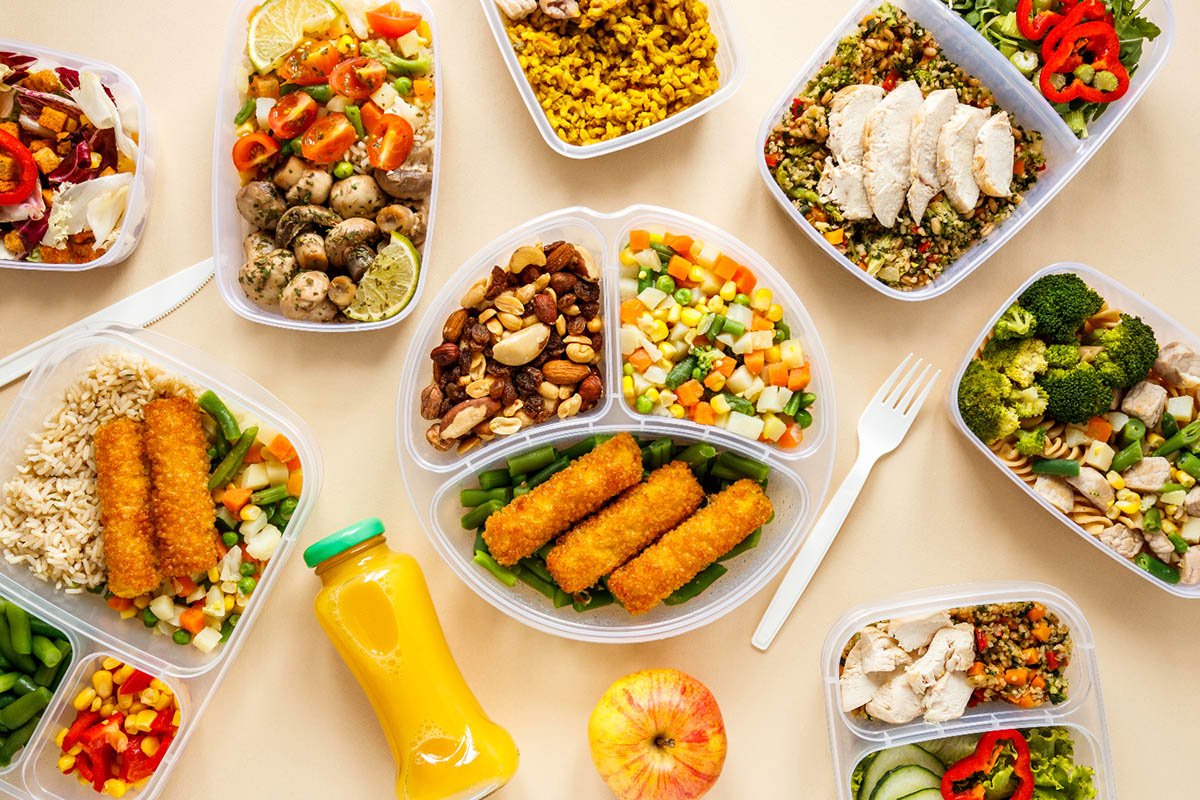
Eating small, frequent meals throughout the day helps avoid overwhelming your digestive system. Large meals can cause digestive stress, especially as your body adjusts to the continuous flow of bile. Eating smaller portions ensures that bile has enough time to break down the food properly, reducing symptoms like bloating or diarrhea.
Keep a Food Journal
Tracking your meals and symptoms in a food journal effectively identifies foods that trigger discomfort. Recording your meals can help you manage your diet for gallbladder removal recovery by pinpointing foods that may cause gas, bloating, or other digestive symptoms. This proactive approach allows you to fine-tune your diet and avoid foods that might not sit well with your digestive system.
Stay Hydrated and Avoid Alcohol
Proper hydration is essential to support healing and healthy digestion. Aim for at least 8 glasses of water a day to keep your body hydrated and support gut health. Additionally, it’s important to avoid alcoholic drinks during your recovery, as alcohol can irritate your digestive system and interfere with the healing process.
When to Seek Medical Advice
While most people begin feeling better within a few weeks after surgery, it’s important to stay vigilant about your recovery during the gall bladder surgery recovery time. If you experience symptoms like fever, jaundice, or persistent pain, these could signal complications. Monitoring your symptoms closely and keeping in touch with your healthcare provider will help ensure you’re on track for a smooth recovery.
Signs of Complications
You should seek medical attention immediately if you experience symptoms such as fever, severe pain, or jaundice (yellowing of the skin or eyes). These may indicate complications like bile leakage or other serious conditions that require prompt treatment.
Persistent Digestive Issues
If digestive symptoms like diarrhea, bloating, or food intolerance persist for weeks after surgery, it’s essential to consult your doctor. These ongoing symptoms may indicate that your body struggles to adapt to the changes caused by gallbladder removal. A healthcare professional can help guide your diet for gallbladder removal recovery and recommend treatments to address these issues.
Nutritional Deficiency Concerns
After gallbladder removal, your body may have difficulty absorbing certain nutrients, such as fat-soluble vitamins (A, D, E, and K). It may be time to consult a dietitian if you experience signs of malabsorption, like unexplained weight loss or fatigue. A professional can recommend a multivitamin or dietary changes to ensure you get the nutrients your body needs.
Conclusion
Recovering from gallbladder surgery involves significant adjustments to your diet, and following a gallbladder removal recovery diet is key to supporting your digestive system and overall health. You can ease the transition and enjoy a smoother recovery process by focusing on low-fat, high-fiber foods, staying hydrated, and gradually reintroducing more complex foods. Avoiding high-fat, fried, and gas-producing foods will also help minimize discomfort. Patience is key, and with the right strategies, you can return to a normal diet and lifestyle with improved digestive health.
FAQs
How soon can I return to a regular diet after gallbladder removal?
You can begin reintroducing more regular foods after the first few weeks of recovery. However, it’s best to avoid high-fat and spicy foods until your digestive system fully adapts, which may take 4-6 weeks or longer, depending on individual recovery speed.
Can I eat dairy after gallbladder removal?
Dairy can be harder to digest without a gallbladder, especially full-fat dairy. Start with low-fat or lactose-free dairy products, and monitor how your body responds. If you experience discomfort, try eliminating dairy or consult a healthcare provider for alternatives.
Are digestive supplements necessary after surgery?
Probiotics or digestive enzymes may be helpful after gallbladder removal, but they are not always necessary. If you’re experiencing digestive discomfort, consider discussing the use of supplements like multivitamins, prebiotics, or probiotics with your doctor or dietitian to support recovery and gut health.
