


Hammertoes can be a painful and frustrating condition that affects millions of people. Whether caused by ill-fitting shoes, muscle imbalances, or foot injuries, this deformity can interfere with daily activities, leading to discomfort and difficulty walking. While hammertoes treatment includes non-surgical options like orthotic devices, padding, and taping, severe cases may require hammertoes surgery to correct the deformity permanently. This guide will explore the causes, symptoms, and various treatment options, including hammer toe treatment surgery, to help you make an informed decision about your foot health.
Understanding Hammertoes
Hammertoes are one of the most prevalent deformities of the forefoot, affecting many individuals. This condition is often caused by muscle imbalances, ill-fitting shoes, or underlying health conditions like rheumatoid arthritis or diabetes. Over time, if left untreated, hammertoes can lead to painful toe misalignment and difficulty finding comfortable footwear. Early diagnosis and treatment can help reduce discomfort and prevent the condition from worsening.
What Are Hammertoes?
A hammer toe deformity occurs when the toe joints bend abnormally, causing the toe to take on a claw-like shape. This typically affects the proximal interphalangeal (PIP) joint, making the toe curl downward instead of lying flat. Over time, the condition may worsen, leading to rigid hammertoes, where the affected toe becomes stiff and unmovable. If left untreated, hammertoes can cause pain, limited mobility, and difficulty wearing regular shoes, requiring intervention to restore function and comfort.
Types of Hammertoes
Hammertoes can be classified into different types based on their severity and flexibility. Flexible hammertoes occur when the toe joints can still move, making non-surgical treatments like toe stretches and exercises, padding the hammer toe, and orthotic inserts effective in preventing progression. Semi-rigid hammertoes involve a toe that becomes harder to move, but some flexibility remains. In such cases, tendon lengthening procedures may help restore movement. Rigid hammertoes occur when the toe is permanently stiff due to severe joint changes, often requiring hammertoes surgery such as arthrodesis or arthroplasty to correct the deformity. Other related conditions include mallet toes and claw toes, which also result from muscle weaknesses and imbalances in the foot, further contributing to toe misalignment and discomfort.
Causes and Risk Factors
Several factors contribute to the development of hammertoes, including footwear choices, foot structure, muscle imbalances, medical conditions, and foot injuries. Wearing high-heeled shoes, narrow, pointed shoes, or ill-fitting shoes can put excessive pressure on the toes, forcing them into a bent position. Individuals with high arch feet, bunions, or other forefoot anatomy issues are more prone to developing hammertoes due to their natural foot structure. Muscle imbalances, such as weaknesses in the toe muscles and toe tendons, can cause abnormal pulling, leading to toe misalignment over time. Additionally, certain medical conditions like rheumatoid arthritis, diabetes, and neurological conditions can increase the risk of developing hammertoes due to nerve and muscle dysfunction. Foot injuries, including trauma, fractures, or toe joint dislocations, can also trigger the formation of hammertoes, further contributing to the progression of the deformity.
Symptoms of Hammertoes
Recognizing the symptoms of hammertoes early can prevent worsening of the condition and reduce discomfort. Symptoms may start as mild toe stiffness or discomfort but can progress to pain, corns, calluses, and difficulty walking as the deformity becomes more rigid. Identifying these signs early can help determine the best hammertoes treatment, whether through lifestyle changes or medical intervention.
Common Symptoms
Hammertoes symptoms vary in severity but often start with crooked or stiff toes that become painful over time. Constant friction from shoes can lead to corns, calluses, and a bony prominence on the affected toe. Many people also experience toe swelling, stiffness, and a burning sensation when walking. As the condition worsens, limited range of motion and toe misalignment can make it difficult to wear regular shoes, causing further discomfort and mobility issues.
Diagnosis
Proper diagnosis is essential for determining the best hammertoes treatment and preventing further complications. A foot specialist, such as a podiatrist, will assess the condition through a physical exam and may use imaging tests like an X-ray to evaluate the severity of the deformity. Early diagnosis allows for more effective treatment, whether through non-surgical options or hammertoes surgery if the condition has progressed.
Physical Examination
A podiatrist will conduct a physical exam to assess toe joint flexibility and determine whether the condition is flexible or rigid. During the examination, the specialist may gently move the toe to check for stiffness, pain, or restricted motion. They may also look for corns, calluses, or signs of pressure points caused by ill-fitting shoes.
Imaging Tests
An X-ray may be required to evaluate the bone structure and rule out underlying conditions such as fractures or arthritis. This imaging test helps determine the severity of the hammer toe deformity and whether surgical intervention might be necessary. In some cases, additional tests may be performed to assess soft tissue damage or neurological conditions affecting toe movement.
Non-Surgical Treatment Options
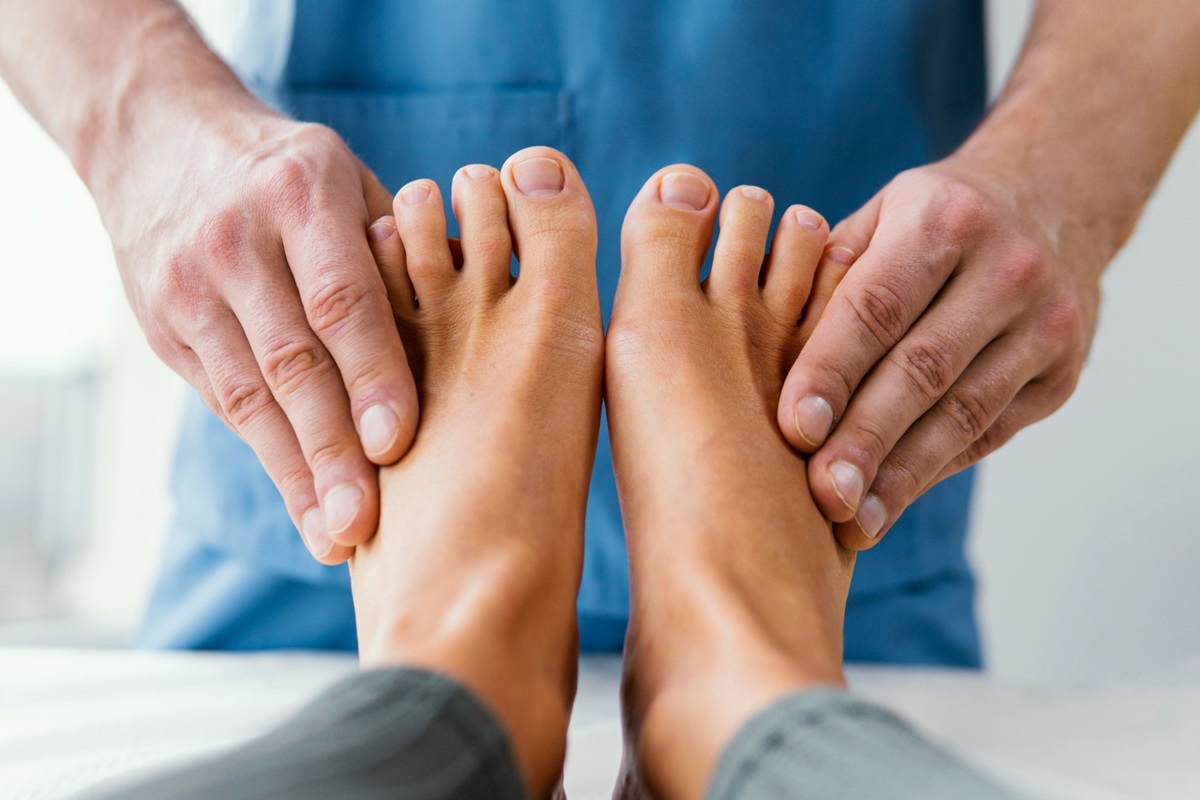
For patients seeking non-surgical relief from hammertoes, Timely Medical Alternatives offers a variety of foot care solutions designed to help manage pain and prevent further deformity. Their team of experts provides treatments tailored to your needs, helping you avoid the need for surgery. If you are interested in exploring the best options for your condition, visit Timely Medical Alternatives and Contact Us to schedule a consultation today.
Footwear Modifications
Switching to comfortable shoes with a wide toe box can help alleviate pressure and prevent hammertoe progression. High heels avoidance is crucial, as wearing narrow, pointed shoes or ill-fitting shoes can worsen toe misalignment and increase discomfort. Opting for well-fitting shoes with proper arch support can improve overall foot health and reduce strain on the toe joints.
Orthotic Devices
Custom shoe inserts or orthotic inserts can provide arch support and help correct toe misalignment. Metatarsal pads may also be recommended to offload pressure from the toe joints, reducing pain and discomfort. Additionally, using toe spacers or hammer toe regulators and straighteners can help realign the toes and slow the progression of rigid hammertoes.
Physical Therapy
Engaging in toe stretches and exercises, such as towel curls, can improve toe joint flexibility and strengthen the surrounding muscles. Toe exercises help correct muscle imbalances, reducing strain on the toe tendons and preventing further deformity. A physical therapist may also recommend manual therapy, taping, or padding the hammer toe to alleviate discomfort and promote better toe alignment.
Medications
Anti-inflammatory drugs and cortisone injections can help relieve pain and reduce inflammation in severe cases. Over-the-counter pain relief medication may also be used to manage burning sensations and stiffness associated with hammertoes. In some cases, a doctor may prescribe stronger medications to ease discomfort, especially for individuals with rheumatoid arthritis or diabetes.
Surgical Treatment Options
Research has shown that the results of surgical correction for hammertoe deformities in older adults are similar to those in younger patients after a follow-up period of more than six months. This finding is important because it demonstrates that older patients can benefit from hammertoes surgery just as much as younger individuals. The long-term benefits of surgery, including improved mobility and reduced pain, are significant across age groups, helping patients achieve better quality of life despite age-related concerns.
Indications for Surgery
If conservative methods, such as pain relief medications and footwear modifications, do not alleviate symptoms, foot surgery may be necessary. Surgical intervention is often indicated for rigid hammertoes, persistent pain, or the development of complications such as corns or calluses due to abnormal toe alignment. Consulting with a foot specialist can help assess whether foot surgery is the best course of action for improving mobility and quality of life.
Types of Surgical Procedures
Several hammertoes surgery options can correct toe deformities and restore function. Tendon release (tenotomy) is a minimally invasive procedure that loosens tight tendons to improve flexibility. Tendon transfer involves repositioning a healthy tendon to balance the toe’s alignment. In a basal phalangectomy, part of the toe bone is removed to enhance realignment, while arthroplasty involves removing part of the toe joint to restore movement. For severe cases, arthrodesis fuses the affected toe joint permanently, often requiring a cast or boot during recovery. The choice of procedure depends on the severity of the hammer toe deformity and the patient’s lifestyle.
Risks and Benefits of Surgery
There are several hammertoes surgery pros and cons to consider. The benefits include permanent correction of rigid hammertoes, pain relief, improved mobility, and better shoe fit due to the reduction of bony prominence. However, potential drawbacks include toe stiffness, recurrence of the deformity, and prolonged healing time from the small incisions made during surgery. Some patients may also need to wear a post-surgical shoe or specialized sandal during the recovery process. Knowing these risks and benefits can help patients make an informed decision about undergoing surgery.
Recovery and Rehabilitation
Most hammertoes surgeries are performed on an outpatient basis with a local anesthetic, allowing patients to return home the same day. Post-surgical care may involve taping, padding, and using hammer toe regulators and straighteners to maintain proper alignment. Depending on the procedure, patients may need to wear a post-surgical shoe or a specialized sandal for a few weeks to protect the toe. While light activities can resume quickly, avoiding higher-impact activities during the initial recovery phase is essential for optimal healing.
Prevention
Preventing hammertoes starts with proper foot care and making smart footwear choices. Wearing comfortable shoes with a wide toe box, avoiding high heels, and practicing toe stretches and exercises can help maintain toe joint flexibility and reduce the risk of developing hammer toe deformity. Taking proactive steps early can prevent the need for hammertoes treatment and reduce discomfort associated with the condition.
Footwear Choices
Wearing well-fitting shoes with adequate arch support is crucial in preventing toe misalignment and reducing the risk of developing hammertoes. Shoes with a wide toe box allow the toes to move freely, preventing unnecessary pressure and friction that can lead to deformities. Avoiding high heels and narrow shoes that push the toes into unnatural positions is key to maintaining overall foot health and preventing discomfort.
Regular Foot Exercises
Engaging in toe stretches, towel curls, and other foot-strengthening routines can significantly improve toe joint flexibility and help strengthen the surrounding toe muscles. Regular exercises can correct muscle imbalances and improve toe alignment, reducing the progression of hammertoes. In addition, toe stretches help prevent stiffness and maintain a range of motion in the affected toes, providing long-term relief and improved function.
Living with Hammertoes
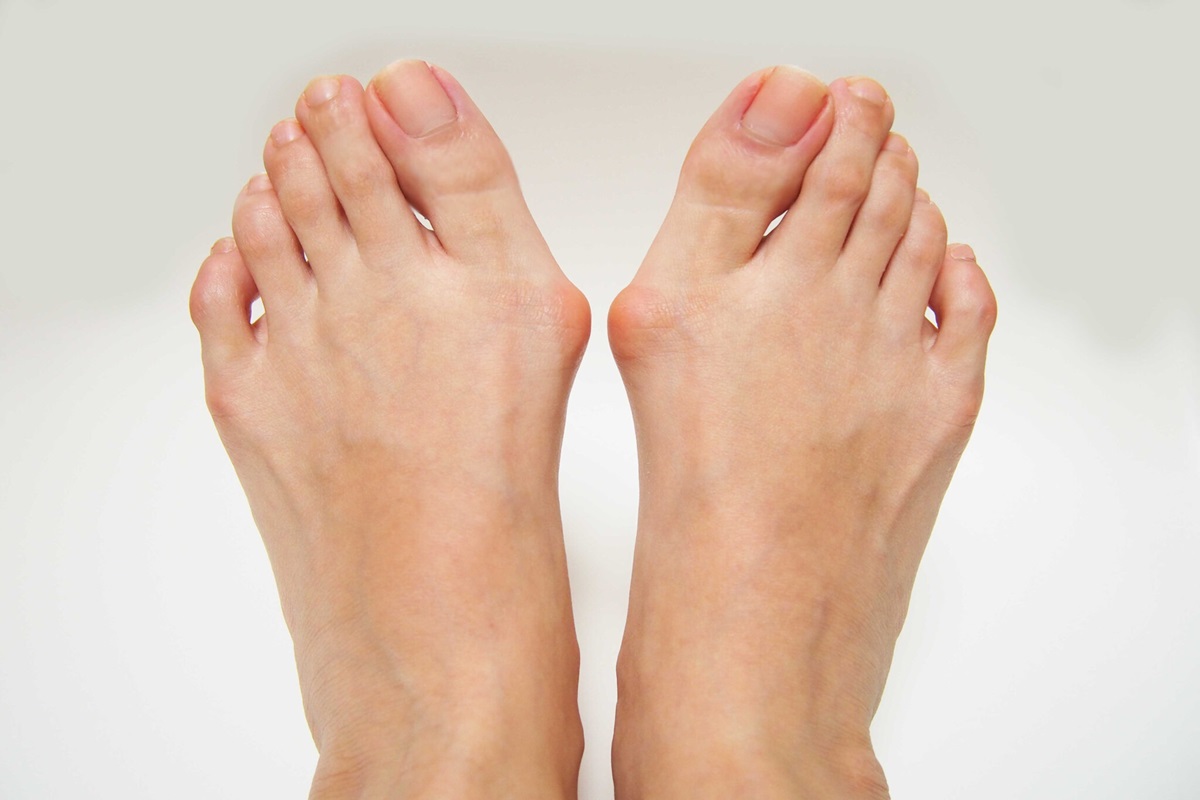
For individuals already dealing with hammertoes, managing symptoms and preventing further progression is key. Simple lifestyle adjustments, such as wearing well-fitting shoes, using orthotic inserts, and doing regular toe exercises, can improve comfort and mobility. Knowing when to seek medical advice can also help prevent complications and ensure the best possible hammer toe treatment surgery outcomes if needed.
Managing Symptoms at Home
For mild cases of hammertoes, managing symptoms at home can help alleviate discomfort and prevent further progression. Using toe spacers, shoe pads or inserts, and medical tape can relieve pressure on the affected toes, reduce friction, and improve comfort. Over-the-counter padding or orthotic devices can also help realign the toes and prevent the condition from worsening.
When to Seek Medical Advice
If toe swelling, pain, or stiffness persists despite home treatments, it’s important to consult a foot specialist such as a podiatrist. A medical professional can assess the condition through a physical exam and recommend appropriate hammertoes treatment, including surgical options if necessary. Seeking timely advice ensures that the condition is properly managed and prevents further complications or permanent damage.
Conclusion
Whether through footwear changes, physical therapy, or hammertoes surgery, managing hammer toe deformity effectively requires early intervention to prevent further complications. Early treatment can significantly reduce discomfort and prevent the need for more invasive measures later on. If symptoms worsen or do not improve with conservative methods, consulting a podiatrist is essential in determining the best course of action for long-term relief and improved foot health. Taking proactive steps ensures better outcomes and a more comfortable lifestyle.
FAQs
What is the best treatment for hammertoe?
The best hammertoes treatment depends on severity. Non-surgical options like toe exercises, orthotic device use, and footwear modifications work for flexible cases, while surgery is needed for rigid hammertoes.
How can I straighten my hammer toes without surgery?
Non-surgical methods include toe stretches, padding and taping, tendon lengthening exercises, and orthotics to relieve pressure and improve alignment.
What is the main cause of hammer toes?
The most common causes are ill-fitting shoes, muscle imbalances, foot injuries, and medical conditions like rheumatoid arthritis or diabetes. By addressing the underlying causes and exploring appropriate treatment options, you can maintain healthy feet and prevent complications.
