

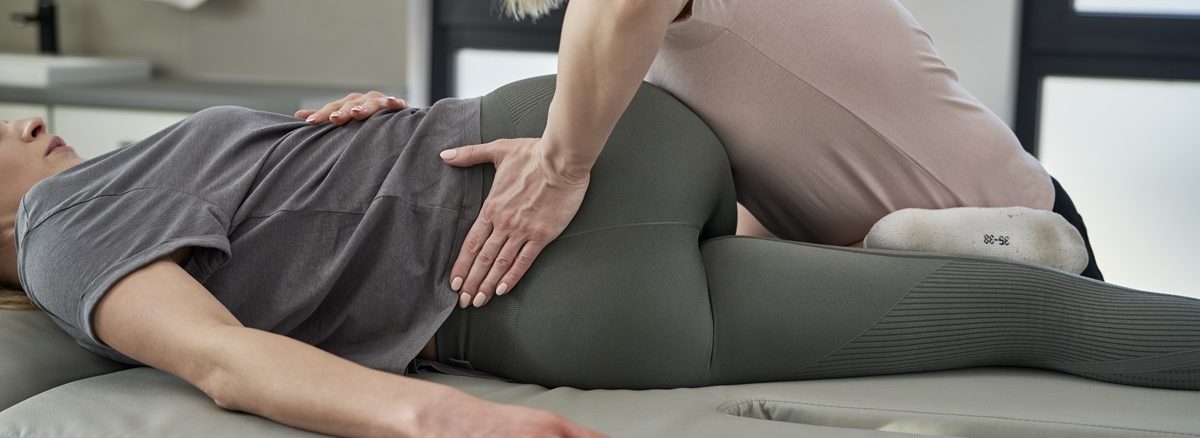
Recovering from hip replacement surgery requires more than just rest and time—it involves actively avoiding certain exercises and movements that could compromise your healing. Knowing the right activities to steer clear of is essential to protect the new joint and reduce the risk of complications. In this guide, we highlight the most important hip replacement exercises to avoid so you can heal safely, restore mobility, and enhance the longevity of your new hip. Following surgeon guidelines, using assistive devices like a walking stick or crutches, and adhering to personalized rehabilitation guidelines are all critical for achieving a smooth and successful recovery.
Essential Precautions to Follow After Hip Replacement
To support proper healing and avoid complications such as joint dislocation or implant loosening, patients must follow specific precautions post-surgery. This includes being mindful of everyday movements like sitting positions, sleep positions, and stair navigation. Avoiding certain positions to avoid after hip replacement and using tools like a grabbing tool, long-handled shoehorn, and support of railings will help reduce stress on the artificial joint and surrounding muscles and ligaments.
Avoid Hip Flexion Beyond 90 Degrees
Bending your hip past 90 degrees can compromise the artificial joint and put undue stress on surrounding tissues. Movements like tying shoes, sitting in low chairs, and picking items from the floor should be modified with assistive devices. Healthcare institutions like Logansport Memorial Hospital emphasize the importance of avoiding actions such as crossing legs at the knees, bringing the knee higher than the hip, leaning forward while sitting, and excessive bending at the waist. These precautions are crucial for ensuring proper healing and minimizing the risk of complications. Bending hip past 90 degrees should be considered a high-risk movement, especially in the early recovery stage.
Don’t Cross Your Operated Leg Over the Other
Crossing legs is one of the most common but dangerous post-surgery movements. This position places stress on the hip joint and can increase the risk of dislocation. Using a customized list of dos and don’ts from your surgeon will help reinforce the need to avoid cross-legged positions in your daily routine.
Prevent Internal Rotation (Pigeon-Toed Walking)
Internal rotation can be subtle yet harmful. Patients should avoid turning the foot inward when walking or standing. Proper use of assistive devices like crutches, a walker, or a wheelchair can help correct posture and prevent twisting movements that could lead to complications.
Top Exercises and Movements to Avoid Post-Surgery
Understanding which exercises to avoid hip replacement recovery is crucial to minimizing wear and tear and encouraging the healing process. While some movements may seem harmless, they can put serious stress on your artificial joint and surrounding structures.
High-Impact Aerobic Activities
Activities such as jumping, high-intensity aerobics, and sports activities can lead to joint dislocation or implant loosening. These are high-impact activities that can also cause pain in your hip, swelling, and inflammation of the hip joints. Premier orthopedic providers recommend avoiding these types of activities—including running, jogging, jumping, and excessive stair climbing—as they can significantly impact the lifespan of the hip implant. Activities involving substantial twisting or bending should also be approached with caution or avoided entirely. Instead, opt for moderate aerobic physical activity like walking or tai chi.
Deep Squats and Lunges
Deep squats and lunges force your hip into unsafe angles and positions. These exercises strain knee balance and surrounding ligaments. Modified squats or hip abductor exercises may be allowed under professional supervision depending on your stage of recovery.
Running, Jogging, and High-Impact Sports
Running increases pressure on the hip joint with every step, accelerating wear and tear. It is one of the most important exercise machines to avoid after hip replacement. This also includes sports like tennis and basketball, which involve abrupt changes in direction and pace.
Leg Presses with Heavy Weights
Leg presses with heavy weights are particularly dangerous due to the extreme force they apply to the hip joint. This kind of heavy lifting can damage the implant and delay healing. Muscle and bone strengthening should be done with low resistance and expert supervision.
Twisting and Rotational Movements
Twisting movements—common in sports or dance—can compromise the alignment of your prosthetic hip. Patients should avoid golf swings and similar movements unless approved by a physiotherapist. Focus on flexibility exercises like gentle yoga instead.
Cross-Legged Sitting and Positions
Cross-legged positions should be avoided throughout the healing process, especially during the first three months. These positions stress the artificial joint and increase the chance of instability. Sleep positions must also be considered carefully, with a pillow between the legs recommended.
Climbing Stairs with Heavy Loads
Stair navigation becomes more hazardous when combined with carrying heavy objects. Doing so places significant stress on both the surgical and supporting leg. Support of railings and gradual increase in activity is vital to maintain safety.
Intense Stretching Exercises
Intense stretching exercises that push the range of motion can harm healing tissues. These movements can cause internal bleeding, swelling, or even dislocation. Avoid pilates or other flexibility-focused exercises unless approved as part of a personalized exercise program.
Why Avoid These Exercises? Understanding the Risks

Post-surgery exercises should support healing—not disrupt it. Understanding the risks associated with incorrect movements reinforces the importance of doctor advice and rehabilitation guidelines.
Prevent Joint Dislocation
Improper movement is the leading cause of joint dislocation. Avoiding hip replacement exercises to avoid significantly reduces this risk and ensures the artificial joint remains stable.
Reduce Wear and Tear on the Implant
Repetitive use of inappropriate exercise machines, such as treadmills or rowing machines, can cause premature wear and tear. Limiting stress on the joint preserves the integrity of the prosthetic and extends the time before any potential revision surgery.
Protect Surrounding Muscles and Ligaments
Muscle and ligament injuries are common when pushing too hard, too soon. Choosing low-impact exercises and following a customized plan improves flexibility and strength without risking inflammation of the hip joints.
Promote Proper Healing
A healthy diet, medications, and physical therapy all contribute to proper healing. Avoiding high-risk movements ensures incision healing, wound care, and swelling remain controlled during the critical early stages.
Enhance the Longevity of the Artificial Hip
Each precaution taken today enhances the lifespan of your artificial joint. Avoiding exercises that cause stress on the joint helps maintain its stability and function for years.
When and How to Resume Activities Safely
Resuming activity after hip replacement requires careful planning, ongoing physiotherapy, and consistent monitoring. A personalized rehabilitation plan can help you ease back into daily routines without pain or complications.
Activities Permitted at 6-8 Weeks
At this stage, walking short distances with a walking stick or crutches is encouraged. Stationary cycling and stationary leg lifts can be introduced. Be cautious with weightbearing and always follow your physiotherapist’s advice.
Activities Permitted at 3 Months
Patients may begin low-impact exercises such as swimming, tai chi, water aerobics, and gentle yoga. These activities help improve range of motion without stressing the joint. Avoid air travel unless cleared due to the risk of blood clots.
Activities Possibly Allowed at 3-6 Months (Consult Your Surgeon)
With surgeon guidelines, you may gradually return to golf (putting and chipping only), modified pilates, and additional strengthening work. Progress monitoring during follow-up visits ensures safety.
Progression of Functional Activities
Resuming light daily tasks like cooking, light cleaning, and walking with support are realistic goals. Avoid carrying heavy objects or engaging in sports activities until cleared by your surgeon.
Safe Walking and Footwear Tips
Use supportive footwear with good grip and cushioning. Avoid barefoot walking to prevent slipping. Weight management and stability are crucial when walking.
Safe Lifting Techniques
Always bend at the knees, keep items close to your chest, and use both hands. Avoid twisting while lifting, and use a grabbing tool for floor-level items.
Recommended Low-Risk Exercises to Support Recovery
There are many safe, low-risk ways to regain mobility, strength, and endurance after hip replacement surgery. The following exercises are recommended by recovery centers and physiotherapists for maintaining progress.
Walking for Gentle Mobility
Walking helps restore function and circulation. Begin with short indoor walks using assistive devices, then gradually increase duration outdoors.
Swimming and Water Aerobics
These are among the safest full-body, low-impact exercises for post-hip surgery recovery. Water supports body weight and reduces joint stress while allowing effective aerobic movement.
Stationary Cycling
A stationary bike is a great alternative to high-impact cardio. Start with low resistance and adjust based on pain levels and surgeon feedback.
Gentle Yoga and Stretching
Slow, mindful stretching improves flexibility and mental focus. Avoid poses that require twisting or bending hip past 90 degrees.
Strengthening Exercises Without Strain
Exercises like hip abductor exercises, seated leg lifts, and resistance bands under supervision build stability and strength without harming the joint.
Lifetime Precautions to Maintain Hip Health
After your initial recovery, ongoing care and vigilance are needed to keep your hip functioning well. Following lifetime precautions is essential to minimize the risk of revision surgery.
Avoid Excessive Hip Bending
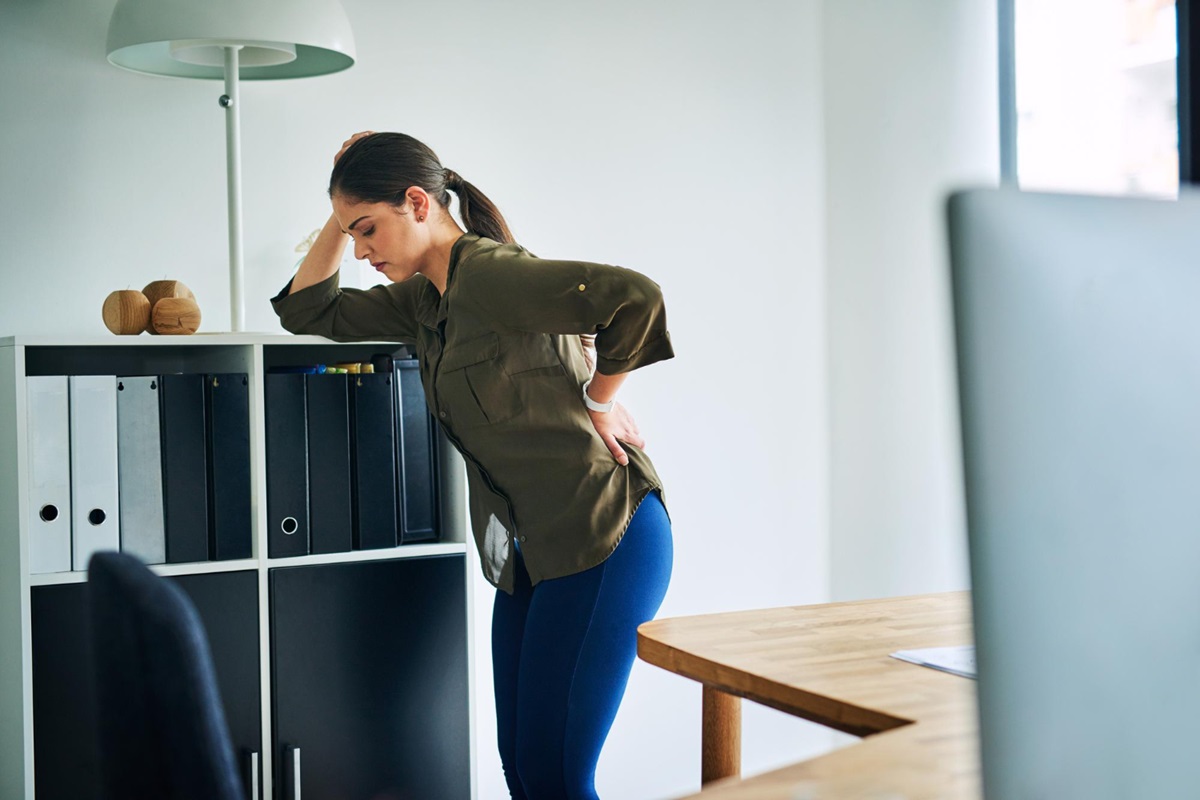
Do not bend beyond 90 degrees at the waist. Use adaptive tools like reachers and dressing aids to maintain independence.
Prevent Twisting Motions
Pivoting on your hip should be avoided. Always turn your entire body instead of twisting the joint.
Sleep with a Pillow Between Your Legs
This helps maintain proper hip alignment during sleep. It also reduces the risk of internal rotation or joint stress.
Avoid High-Impact, Repetitive Activities
These include jogging, jumping, and heavy lifting. Regular checkups and doctor advice help adjust activity levels as needed.
When to Contact Your Healthcare Provider
Recognizing early warning signs and seeking prompt medical care can prevent long-term damage. Always consult a professional if something doesn’t feel right.
Signs of Complications to Watch For
Watch for signs of infections such as redness, warmth, and drainage. Sudden pain or swelling can also indicate internal issues like inflammation or infection.
Pain, Swelling, or Instability
Persistent pain in your hip or buttock pain after hip replacement could signal implant issues. Crutches or assistive devices should be reintroduced if stability is compromised.
Follow-Up Care and Regular Checkups
Routine follow-ups allow your surgeon to assess implant performance and rehabilitation progress. Bring a medical alert card during visits and air travel, as your artificial joint may trigger metal detector alarms.
How Timely Medical Alternatives Can Help You
Choosing expert hip replacement services in Canada can make a significant difference in your recovery outcomes. Timely Medical Alternatives offers comprehensive care that prioritizes patient safety.
Expert Guidance on Safe Recovery Practices
We help patients follow customized rehabilitation plans based on their stage of healing. This includes identifying hip replacement exercises to avoid and safe replacements.
Customized Rehabilitation Plans
Each patient receives a personalized exercise program that matches their musculoskeletal system and flexibility needs. Recovery center referrals are available.
Access to Experienced Hip Replacement Specialists
We connect you with expert hip replacement services in Canada for superior care, from consultation to recovery.
Support in Monitoring Your Progress and Adjusting Exercises
Our ongoing check-ins allow us to fine-tune your recovery. We help ensure safe progression, wound care, and overall healing.
Conclusion
Understanding which hip replacement exercises to avoid is crucial for a successful and safe recovery. From deep squats to high-impact sports, knowing the risks can help protect your new hip. Trust in expert guidance, follow lifetime precautions, and consult providers like Timely Medical Alternatives for the best outcomes.
FAQs
What are permanent restrictions after hip replacement?
You should avoid deep bending, crossing legs, and high-impact sports permanently. Always follow lifetime precautions to protect your implant.
What are the three big don’ts for a hip replacement patient?
Avoid bending past 90 degrees, twisting your hip, and crossing your legs. These actions can increase the risk of joint dislocation.
What movements should I avoid after hip replacement?
Avoid exercises that involve extreme hip flexion, rotation, or high impact. This includes running, squats, and cross-legged sitting.
