


Shoulder pain can significantly impact your quality of life, making daily activities like lifting, reaching, or even sleeping challenging. Arthroscopic shoulder surgery, a minimally invasive operation, has become a popular treatment for a range of shoulder conditions. But is arthroscopic shoulder surgery worth it? By exploring its benefits, risks, and recovery process, you can determine if it’s the right choice for you.
What Is Arthroscopic Shoulder Surgery?
Arthroscopic shoulder surgery is a state-of-the-art procedure that uses advanced arthroscopic techniques to treat conditions affecting the shoulder joint. An arthroscope—a thin, flexible tube equipped with a camera and optical fibers—is inserted through small skin incisions, allowing the surgical team to diagnose and treat conditions like rotator cuff tears, labrum tears, and frozen shoulders. The procedure often involves fluid expansion to improve visualization of the shoulder joint socket and its intricate structures, such as the glenoid socket and humeral head.
Millions of individuals across various age groups seek medical attention for shoulder-related problems annually. Common concerns include inflammation, arthritis, impingement, fractures, and injuries such as sprains and strains.
Benefits of Arthroscopic Shoulder Surgery
Arthroscopic shoulder surgery, a specialized form of orthopedic shoulder surgery, offers numerous advantages compared to traditional open surgeries, making it an appealing option for many patients. Its minimally invasive nature often results in smaller incisions, reduced scarring, and quicker recovery. Additionally, this technique allows for precise visualization of the joint, enabling surgeons to address complex issues like rotator cuff tears or labrum injuries with greater accuracy. For individuals seeking effective treatment with less downtime, arthroscopic surgery has become a preferred choice in orthopedic care.
Minimally Invasive Procedures
The hallmark of arthroscopy is its minimally invasive nature. Unlike open surgeries that require large incisions, arthroscopy uses small incisions, reducing trauma to surrounding tissues. This minimally invasive operation allows for quicker recovery and lower chances of infection.
Faster Recovery Times
Patients often return to normal activities faster due to reduced surgical trauma. For athletes or individuals needing quick recovery to resume work, arthroscopic rotator cuff repair or arthroscopic acromioplasty is a significant advantage.
Reduced Pain
The precise techniques of arthroscopic repair lead to less post-operative pain compared to open procedures. Patients often wonder, “Is arthroscopic shoulder surgery painful?” While many experience reduced discomfort, it’s not uncommon to feel some pain in the shoulder after surgery during the initial recovery phase. Pain after arthroscopic shoulder surgery is typically managed with icing, pain medications, and a postoperative sling, which collectively help minimize discomfort and promote healing.
Improved Joint Function and Mobility
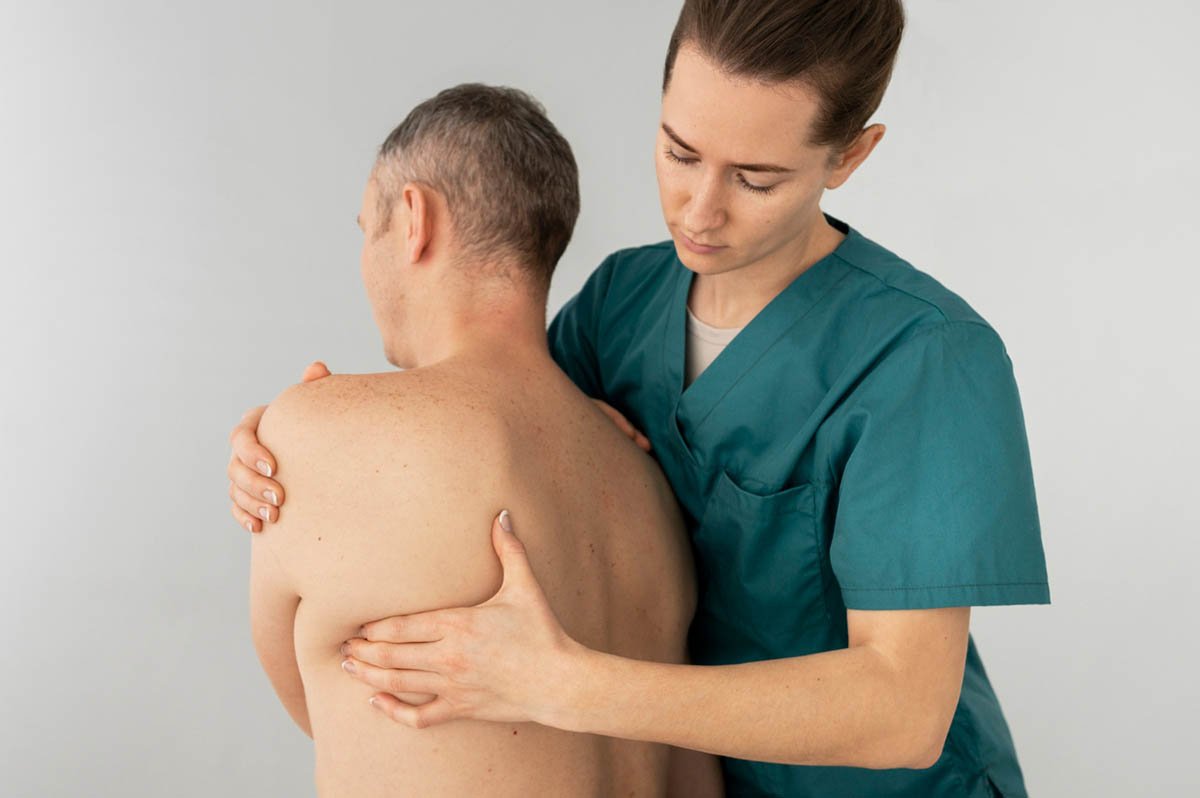
Arthroscopic shoulder surgery addresses issues like shoulder impingement syndrome, rotator cuff tears, or labrum tears that hinder mobility. Correcting these conditions improves shoulder strengthening and range-of-motion exercises during the rehabilitation protocol.
Diagnostic Benefits
Sometimes the cause of shoulder pain, weakness, and disability remains unclear after imaging. Diagnostic arthroscopy provides a direct view of the shoulder joint, allowing for accurate assessment of issues like cartilage wear, ligament injuries, or arthritic changes.
Less Scarring
Arthroscopic shoulder surgery involves small incisions that minimize visible arthroscopic shoulder surgery scars compared to traditional open surgeries. This is especially beneficial for patients concerned about the cosmetic appearance of their surgical sites. Smaller scars also reduce the risk of complications associated with larger wounds, contributing to an overall smoother recovery and a more satisfactory aesthetic outcome.
Risks and Drawbacks
Like any surgical procedure, arthroscopic shoulder surgery has its challenges. Recognizing the potential risks helps patients make informed decisions about their treatment. While the benefits often outweigh the downsides, knowing the possible complications and long-term considerations is important.
Potential Complications
Arthroscopic surgery is generally safe, but complications such as infection, nerve damage, or recurrent tears can occasionally occur. Identifying these risks beforehand enables patients to prepare for post-surgical care and monitor their recovery effectively.
Possible Need for Additional Surgeries
While arthroscopic procedures are effective, some patients may require further interventions to address unresolved issues or new injuries. Awareness of this possibility helps manage expectations and reinforces the importance of adhering to follow-up care and rehabilitation protocols.
Recovery and Rehabilitation Commitments
The healing process demands a structured postoperative rehabilitation program, including supervised physical therapy programs and sports-specific training. Commitment to outpatient physical therapy and home exercises is vital for successful recovery.
Recovery Process and Results
The recovery journey after arthroscopic shoulder surgery is a structured process aimed at restoring mobility and reducing pain. A clear understanding of the phases of recovery ensures that patients can plan their activities and follow rehabilitation guidelines effectively.
Typical Recovery Timeline
The typical recovery timeline highlights key milestones and what to expect during each stage of healing. It provides patients with a roadmap to monitor their progress and ensure they are on track for optimal outcomes.
Immediate Post-Op (Days 1-3)
During this phase, patients wear a postoperative sling to immobilize the shoulder and minimize movement. Icing is crucial to reduce swelling, and pain management is achieved through prescribed medications.
Week 2
During the second week, patients typically start light mobility exercises under the guidance of a physical therapist. The focus remains on maintaining shoulder flexibility while avoiding stress on the joint.
Weeks 2-6
This stage marks the gradual progression of physical therapy, emphasizing range-of-motion exercises and light strengthening. Patience and consistency during this period are crucial to prevent complications.
Weeks 6-12
As recovery progresses, the intensity of therapy increases, with a focus on rebuilding strength and improving shoulder stability. By the end of this stage, patients often resume many normal activities.
3-6 Months
The final phase of recovery aims to restore full function and prepare the patient for more strenuous activities, including sports or labor-intensive tasks. At this stage, most patients achieve near-complete recovery.
Success Rate of Arthroscopic Shoulder Surgery
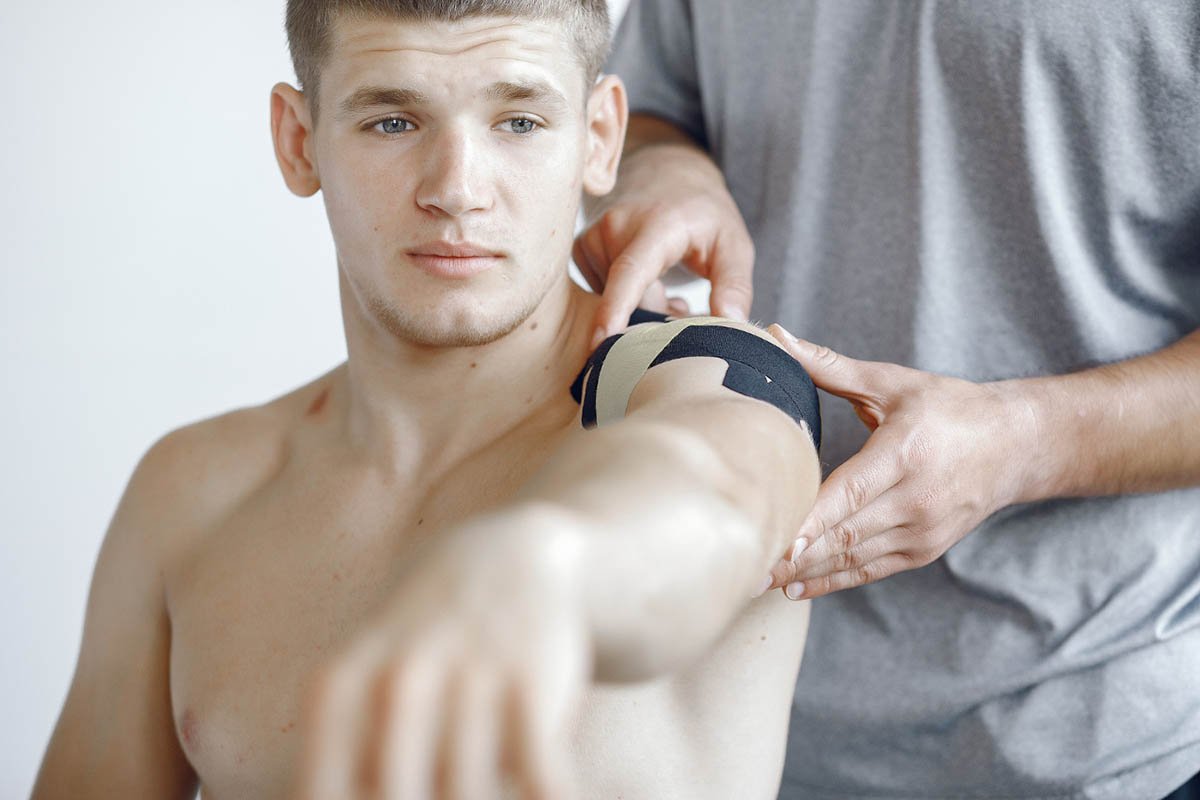
Arthroscopic shoulder surgery boasts a high success rate, particularly for rotator cuff repair and subacromial decompression. Adherence to the rehabilitation protocol plays a crucial role in achieving optimal results.
Studies suggest that outcomes from arthroscopic repair methods closely align with those from traditional open or mini-open surgeries. Approximately 85–95% of patients report significant improvements in pain relief and functional performance following arthroscopic procedures.
Timely Medical prioritizes your health by providing expedited access to advanced procedures, including arthroscopic shoulder surgery. Our network of experienced orthopedic specialists ensures precise, minimally invasive treatments tailored to your needs. With our commitment to efficient care and faster recovery times, we help patients overcome delays and get back to their lives sooner. Choose Timely Medical for reliable, patient-focused solutions that put your well-being first.
Is Arthroscopic Shoulder Surgery Right for You?
Determining if arthroscopic shoulder surgery is worth it involves assessing the severity of your condition, your response to non-operative treatments, and your willingness to follow a structured rehabilitation protocol. Consulting a fellowship-trained orthopedic surgeon for a diagnostic evaluation can provide clarity.
Conclusion
Arthroscopic shoulder surgery is a minimally invasive operation offering significant benefits, such as reduced pain, faster recovery, and improved mobility. While it carries some risks, the procedure’s advantages often outweigh its drawbacks for patients with persistent shoulder issues. Through proper preparation and commitment to recovery, many find the surgery a life-changing solution.
FAQs
When is shoulder arthroscopy recommended?
Shoulder arthroscopy is recommended for conditions like rotator cuff tears, frozen shoulder, shoulder instability, and SLAP tears, especially when non-operative treatments like steroid injections, NSAIDs, or physical therapy have failed.
Will my shoulder be the same after arthroscopic surgery?
While arthroscopic techniques can significantly improve function and reduce pain, outcomes depend on the extent of the injury, the surgical repair (e.g., metallic anchors for rotator cuff repairs), and the rehabilitation program.
How long does it take to fully recover from arthroscopic shoulder surgery?
Full recovery typically takes 3-6 months, depending on the complexity of the procedure and adherence to postoperative rehabilitation.
