

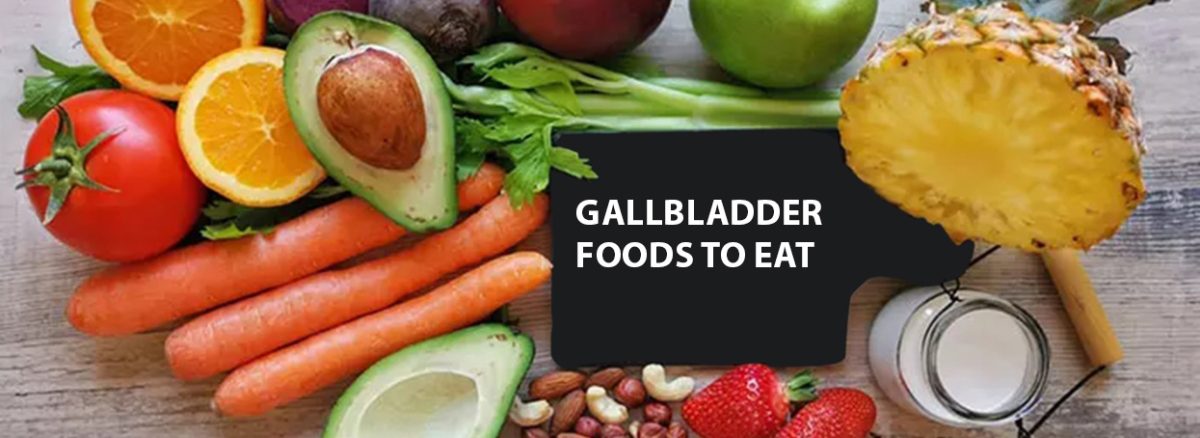
Recovering from gallbladder surgery—also known as a cholecystectomy—marks a turning point in how your digestive system functions. Without the gallbladder to store and release bile efficiently, your body undergoes adjustments that directly impact how you digest fat and absorb certain nutrients, including fat-soluble vitamins like A, D, E, and K. A well-planned gallbladder removal diet is essential to ease the transition and help you heal effectively.
In this comprehensive guide, we’ll walk through a complete list of foods to eat after gallbladder removal, highlight what to avoid, and offer a practical post gallbladder surgery diet menu to get you started. Whether you’re wondering what to eat right after gallbladder surgery, or looking for long-term solutions, we’ve got you covered with evidence-based dietary guidelines and expert tips.
Understanding the Role of the Gallbladder in Digestion
The gallbladder plays a key role in bile concentration and fat digestion. It stores bile produced by the liver and releases it into the small intestine to help break down dietary fats. Cholecystectomy, the surgical procedure for removing the gallbladder, ranks among the most frequently performed surgeries in the U.S., with over 1.2 million operations carried out each year. This procedure is often necessary when gallstones cause pain, blockages, or inflammation.
The inability to concentrate bile effectively also impairs the absorption of fat-soluble vitamins, potentially resulting in nutrient deficiencies over time. Additionally, disordered gut microbiota and unregulated bile acids may contribute to chronic diarrhea, bloating, and other gastrointestinal symptoms. That’s why understanding how your digestive system adapts and choosing the right foods is critical to recovery.
Immediate Post-Surgery Dietary Guidelines
The first few days after gallbladder removal are crucial for healing. During this time, the goal is to reduce stress on your gastrointestinal system and support hydration while slowly reintroducing nutrients. Following proper dietary guidelines during this period can help prevent complications such as bloating, nausea, and diarrhea. It’s also important to eat small, frequent meals to ease the workload on your digestive system.
Clear Liquids and Broths
One of the first steps in post-op diets is starting with clear liquids such as water, herbal teas, clear broths, and electrolyte solutions. These fluids are easy to digest and help prevent bloating and nausea while maintaining hydration. Low-sodium broths also provide essential minerals and warmth, which can be comforting during the immediate recovery period. Skipping carbonated beverages and caffeine is vital, as they can stimulate the gut and worsen diarrhea or loose stools.
Gradual Introduction of Low-Fat Solid Foods
Once you can tolerate clear liquids, the next step in your recovery is to begin incorporating easily digestible, low-fat solid foods into your meal plan. This gradual transition supports your digestive system as it adjusts to the absence of the gallbladder. Start with plain white rice or mashed potatoes—without butter—as these are gentle on the stomach. Applesauce and bananas are excellent choices for a touch of mild sweetness while being easy to digest. Steamed fresh vegetables like carrots and zucchini provide essential nutrients without overwhelming your system. Additionally, plain toast or oatmeal are great sources of soluble fiber, which helps regulate digestion and prevent loose stools. During this phase, it’s essential to avoid fried foods, saturated fats, and processed foods, as they can trigger gastrointestinal symptoms and make it harder for your body to adjust to digesting fats in the absence of bile regulation.
Recommended Foods After Gallbladder Removal
Once you move past the immediate recovery phase, building a nutritionally balanced and digestive-friendly gallbladder removal diet becomes the focus. Many patients wonder, what are the best foods to eat after gallbladder surgery? The answer lies in choosing nutrient-dense, low-fat, and easy-to-digest foods that support healing and minimize digestive discomfort. Incorporate nutrient-dense foods to promote healing and restore nutrient balance. Prioritizing foods that are low in fat and high in fiber can help improve digestion and reduce the likelihood of post-surgical gastrointestinal symptoms. This stage is also an opportunity to adopt long-term healthy eating habits that support your overall well-being.
Lean Proteins
Including lean protein sources in your diet after gallbladder removal is essential for supporting muscle repair, maintaining energy levels, and helping you feel full between meals. Some of the best options are skinless chicken breast, which is low in fat and easy to digest, and turkey, a lean and versatile protein that can be used in a variety of meals and snacks. White fish such as cod or tilapia is another excellent choice, as it’s packed with protein and omega-3 fatty acids that promote heart and digestive health. For plant-based alternatives, tofu and legumes like lentils and beans provide not only high-quality protein but also healthy fats and dietary fiber. These foods can be easily prepared by grilling, baking, or steaming—methods that avoid added oils and reduce fat content—making them ideal components of a gallbladder-friendly meal plan.
High-Fiber Foods
Incorporating high-fiber foods, especially those rich in soluble fiber, is another key element of a successful gallbladder removal diet. These foods help regulate digestion, promote healthy bowel movements, and reduce the risk of developing postcholecystectomy syndrome (PCS). Oats and barley, for example, provide long-lasting energy and help manage loose stools by firming them up. Legumes such as lentils and chickpeas support a healthy gut microbiome, which is especially important after surgery. Fresh fruits like apples, pears, and bananas are not only high in fiber but also provide important nutrients like antioxidant vitamin A. Fresh vegetables, including broccoli, carrots, and leafy greens, contribute to satiety and digestive health while adding essential vitamins and minerals to your diet. It’s important to introduce fiber gradually, however, as a sudden increase can lead to bloating or discomfort.
Low-Fat Dairy Alternatives
While dairy products are a valuable source of calcium and protein, it’s important to opt for low-fat dairy alternatives following gallbladder surgery. Choices such as skim milk or 1% milk can help meet your calcium needs without adding excess fat to your diet. Low-fat yogurt, particularly varieties with added probiotics, supports both nutrient intake and gut health. Plant-based milks like almond or oat milk—especially those that are unsweetened and fortified with calcium and vitamin D—are excellent alternatives for those who are sensitive to dairy or looking to reduce fat intake. Avoiding full-fat dairy products is critical, as they can exacerbate malabsorption and trigger gastrointestinal symptoms like bloating, cramping, or diarrhea.
Foods to Avoid Post-Gallbladder Surgery
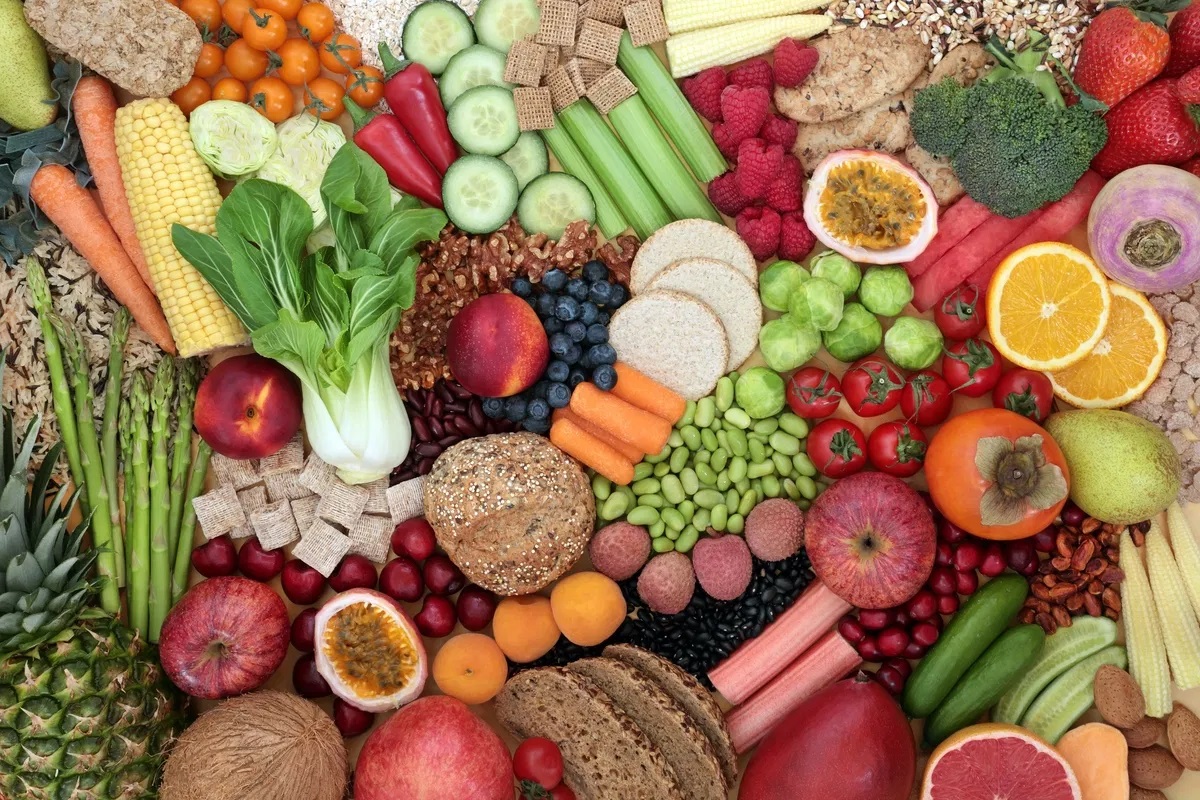
Not all foods are created equal—especially when your digestive system is adjusting to life without a gallbladder. Certain foods can irritate the gut, trigger gastrointestinal symptoms, or worsen malabsorption issues. Knowing which items to avoid is a crucial part of supporting long-term healing and maintaining digestive comfort as part of your gallbladder removal diet.
High-Fat and Fried Foods
High-fat foods—particularly those rich in saturated fats—are some of the hardest to digest after gallbladder removal. Without the gallbladder’s ability to regulate bile concentration, fatty meals can overwhelm the small intestine, leading to chronic diarrhea, cramping, or persistent bloating. It’s important to avoid foods like bacon, sausages, and other processed meats, which are high in unhealthy fats and additives. Deep-fried items such as fries, onion rings, and battered fish should also be excluded, as they can aggravate gastrointestinal symptoms. Additionally, limit the use of butter, cream, and mayonnaise, all of which are loaded with fat and can cause loose stools or indigestion during recovery.
Spicy and Gas-Producing Foods
Spicy and gas-producing foods can also present challenges for those adjusting to a new post-op diet. Spicy foods, such as hot peppers, curries, and salsas, may irritate the lining of the gut, leading to discomfort or flare-ups in sensitive individuals. Gas-producing vegetables like broccoli, cauliflower, and cabbage, as well as beans and lentils, can cause excessive gas and bloating, particularly when introduced too early. While legumes are an important part of a healthy diet, they should be reintroduced gradually and in small amounts to assess your tolerance as part of a well-monitored nutrition therapy plan.
Caffeinated and Sugary Beverages
Certain beverages can also hinder your recovery. Caffeinated drinks, carbonated beverages, and very sweet foods are known to stimulate the intestines in ways that may lead to loose stools, dehydration, or abdominal discomfort. Coffee and energy drinks can overexcite your digestive tract, while sodas—whether regular or diet—introduce both gas and sweeteners that can irritate your system. Alcoholic drinks are another category to avoid, as they can interfere with liver function and irritate the digestive system, especially when bile production is unregulated post-surgery. Safer alternatives include water, herbal teas, and diluted natural fruit juices, which help maintain hydration and are less likely to cause adverse symptoms.
Sample Post-Gallbladder Surgery Diet Menu
Crafting a practical post gallbladder surgery diet menu is essential to ensure that your meals are both satisfying and safe for your recovering digestive system. A well-thought-out meal plan can help you manage symptoms, avoid discomfort, and provide the nutrients your body needs for healing. Here’s a sample menu that incorporates nutrient-dense foods, lean proteins, high-fiber ingredients, and low-fat options.
Breakfast Options
Start your day with meals that are gentle on the stomach but packed with nutrition. Oatmeal topped with banana and a sprinkle of chia seeds offers soluble fiber to help stabilize digestion and promote bowel regularity. Egg whites scrambled with spinach and a slice of whole-grain toast deliver a combination of low-fat protein and complex carbohydrates, making them ideal for early post-op meals. Low-fat yogurt with berries and flaxseed is not only rich in calcium and fiber but also provides a boost of antioxidant vitamin A and healthy fats, making it a perfect gut-friendly breakfast.
Lunch Ideas
For lunch, opt for meals that are filling yet easy to digest. A grilled chicken salad with olive oil and lemon provides lean protein and healthy fats without overburdening the system. Lentil soup paired with whole-grain crackers is hearty, fiber-rich, and soothing, making it excellent for managing loose stools and enhancing gut health. A brown rice bowl topped with steamed tofu and a variety of fresh vegetables offers a balanced combination of plant-based protein, fiber, and essential nutrients.
Dinner Suggestions
Dinner should be light yet nutritious. Baked fish served with steamed carrots and quinoa provides omega-3 fatty acids, fiber, and lean protein to support recovery. Turkey meatballs with mashed sweet potatoes offer comfort food appeal without the excess fat, while stir-fried bok choy with tofu and brown rice, prepared with minimal oil, gives a flavorful and satisfying end to your day without straining your digestive tract.
Snack Choices
Snacks should support your gallbladder removal diet by providing energy without irritating your system. Sliced apple or pear with almond butter offers soluble fiber, natural sweetness, and a source of healthy fats. Low-fat yogurt with a bit of granola is a calcium-rich and filling option. Whole-grain toast with avocado delivers fiber and monounsaturated fats in a portion-controlled, digestion-friendly way.
Tips for Long-Term Dietary Success
Maintaining a healthy gallbladder removal diet over time is just as important as managing your initial recovery. Establishing sustainable habits will help reduce the risk of complications and promote long-term digestive health.
Portion Control and Meal Frequency
Eating smaller meals more frequently—typically five to six times per day—can help your body process food more easily in the absence of a gallbladder. This strategy reduces the strain on your digestive system, limits bile overload, and lowers the risk of bloating, indigestion, and diarrhea. Avoiding large, high-fat meals is critical, as they can overwhelm your bile flow and trigger gastrointestinal symptoms.
Staying Hydrated
Proper hydration plays a major role in digestion and overall recovery. Aim to drink at least 8–10 glasses of water daily to replace fluids lost through chronic diarrhea and to support optimal nutrient absorption. Herbal teas such as ginger or chamomile can offer additional digestive support by soothing inflammation and calming the gut.
Monitoring Food Tolerance
Everyone reacts differently to foods post-surgery, so it’s important to listen to your body. Keeping a detailed food diary helps you and your registered dietitian track which foods cause discomfort, allowing for personalized adjustments to your nutrition therapy. Over time, this will help you identify patterns and refine your diet to support your unique needs, ensuring a more comfortable and balanced recovery journey.
When to Consult a Healthcare Professional
Though symptoms usually improve over time, persistent issues can indicate complications that require medical intervention. It’s important not to ignore ongoing discomfort or new symptoms, as they may point to underlying conditions that need to be addressed. Early consultation can prevent minor issues from developing into serious health concerns. Supplementation or tailored dietary strategies may be required to restore nutrient balance and improve overall wellness. If you’re experiencing persistent symptoms or suspect nutritional deficiencies, contact us to schedule a personalized evaluation with one of our specialists.
Persistent Digestive Issues
If gastrointestinal symptoms like chronic diarrhea, cramping, or severe bloating continue beyond the initial recovery, you may be experiencing postcholecystectomy syndrome (PCS). This may involve bile salt malabsorption or a disordered gut microbiota that needs clinical attention. Additional tests, including stool analysis or imaging, may be recommended to identify the root cause. Your healthcare provider may suggest medications, dietary modifications, or a referral to a gastroenterologist for further evaluation.
Nutritional Deficiencies
Because you may struggle to absorb fat-soluble vitamins, signs like fatigue, hair loss, or brittle nails should prompt a consultation with a registered dietitian, consultant, or board-certified physician for nutrient testing and nutrition therapy. Deficiencies in vitamins A, D, E, and K can have long-term health effects if not corrected. Supplementation or tailored dietary strategies may be required to restore nutrient balance and improve overall wellness.
Why Choose Timely Medical for Your Gallbladder Surgery and Aftercare
Choosing a trusted healthcare provider makes all the difference in your recovery. At Timely Medical Alternatives, we understand that conditions like gallstones can significantly disrupt your quality of life—especially considering that an estimated 20 million people in the U.S. live with gallstones, many of whom eventually need surgical intervention. Our patient-centered approach ensures that you receive the care and support needed throughout your gallbladder surgery and recovery journey.
Experienced Surgical Team
Our team of board-certified physicians, nurse practitioners, and specialists are highly trained in laparoscopic cholecystectomy, ensuring lower risk, faster recovery, and better outcomes. With extensive experience managing both routine and complex cases, our team provides the confidence and skill you can trust. We also offer consultations for patients experiencing complications from previous surgeries or an infected gallbladder.
Comprehensive Postoperative Support
We take an interprofessional approach to recovery, offering follow-ups, symptom monitoring, and direct access to dietary experts who help manage gastrointestinal symptoms and promote healing. Our team is equipped to address both common and complex post-surgical issues, including postcholecystectomy syndrome (PCS) and persistent digestive discomfort. Patients benefit from coordinated care that ensures nothing is overlooked.
Personalized Dietary Planning
Our team works closely with registered dietitians to develop custom meal plans and nutrition therapy that ensure optimal nutrient intake, helping patients avoid complications and maintain long-term health. We provide guidance on everything from daily menus to managing fat-soluble vitamin absorption and avoiding trigger foods. This personalized approach empowers patients to take control of their recovery and feel confident about their dietary choices.
Conclusion
Recovering from gallbladder removal is a journey that starts with understanding how your body changes and learning what are the best foods to eat after gallbladder surgery. With the right dietary guidelines, support from healthcare professionals, and a well-balanced meal plan, you can avoid complications, support your digestive system, and thrive without a gallbladder. Timely Medical is here every step of the way, offering expert care tailored to your needs.
FAQs
What is the best food to eat with no gallbladder?
The best foods to eat after gallbladder surgery are those low in fat, high in fiber, and easy to digest. Think lean proteins, whole grains, fresh fruits, low fat dairy, and fresh vegetables.
How to stop diarrhea after gallbladder removal?
To reduce post-cholecystectomy diarrhea, focus on soluble fiber, smaller meals, and avoiding high-fat, spicy, or greasy foods. If symptoms persist, consult a registered dietitian or healthcare provider.
What juice is good after gallbladder surgery?
Stick to non-citrus, diluted juices like apple, pear, or carrot juice. Avoid sugary, acidic, or carbonated beverages that may irritate the digestive system.
