

Tennis elbow, also known as lateral epicondylitis, is a painful condition caused by repetitive strain injury to the tendons that attach to the lateral epicondyle of the elbow. It affects athletes and people who engage in repetitive arm movements, such as painters, carpenters, and office workers. The pain can make it difficult to grip objects, lift items, or perform simple tasks like shaking hands. While most cases of elbow tendonitis improve with conservative treatments such as physical therapy, acetaminophen, nonsteroidal anti-inflammatory drugs (NSAIDs), and elbow braces, some people continue to experience pain for months. In such cases, surgery for tennis elbow may be considered. This article explores the different types of tennis elbow surgery, the recovery process, and what to expect before and after the procedure.
What is Tennis Elbow?
Tennis elbow is a condition that can affect individuals of all ages, but it is most commonly seen in people between the ages of 30 and 50. It is estimated that 1 to 3% of the general population is affected by this condition. Though it’s often associated with athletes, it can also impact people who perform repetitive motions in daily activities or work, such as in manual labor or office jobs. The risk factors for developing tennis elbow may vary depending on lifestyle and occupation, but its symptoms can significantly impair one’s ability to carry out everyday tasks.
When is Surgery Considered for Tennis Elbow?
Most people recover from tennis elbow using conservative treatments that focus on reducing pain, improving mobility, and promoting healing. Physical therapy is often the first line of treatment, helping to strengthen the forearm muscles and restore flexibility. Exercise therapy, including stretching and strength exercises, can also prevent further injury and improve overall function. Alternative treatments such as acupuncture and dry needling may help relieve pain and stimulate healing, while extracorporeal shock wave therapy and pulsed ultrasound work by improving blood supply and encouraging tissue regeneration.
Other non-surgical interventions include cortisone shots or steroid injections, which help reduce inflammation and provide temporary relief. Elbow splints or elbow braces are often recommended to limit movement and provide extra support. Additionally, PRP injections (platelet-rich plasma) can enhance tissue healing and promote long-term recovery.
However, surgery to fix tennis elbow may be necessary if pain persists despite these treatments. Your doctor may recommend tennis elbow surgery if you have persistent elbow pain for 6 to 12 months despite trying various treatments. Surgery is also considered if your condition significantly affects your ability to work or perform daily activities. Additionally, if multiple cortisone shots or steroid injections have failed to provide long-term relief, surgical intervention may be the next step toward pain relief and functional recovery.
What Kind of Surgery is Done for Tennis Elbow?
Several surgical options are available for tennis elbow, ranging from minimally invasive techniques to traditional open surgery. The choice of procedure depends on the severity of the condition, the patient’s lifestyle, and the surgeon’s expertise. Open surgery is the most common method, involving a small incision over the lateral epicondyle to perform diseased tendon removal. The healthy tendon is then reattached to the bone using a suture anchor, restoring function and reducing pain.
A less invasive approach, arthroscopic surgery (or elbow arthroscopy), uses an arthroscope—a tiny camera inserted through small incisions—to guide tendon debridement and diseased tissue removal. This technique allows for a shorter tennis elbow surgery recovery time and reduced scarring. Another innovative option is the Tenex procedure (ultrasonic tenotomy), which removes diseased tendon tissue using ultrasonic energy while preserving healthy structures. This outpatient procedure is quick and has minimal recovery time.
Other procedures include lateral epicondyle release surgery, which relieves tension in the extensor muscle tendon, sometimes combined with bone roughening to improve blood supply and healing. Endoscopic surgery, a minimally invasive technique, is similar to keyhole surgery, using a small incision and a camera to remove damaged tendon tissue while reducing recovery time and post-surgical discomfort.
Benefits of Tennis Elbow Surgery
For those struggling with chronic pain, surgery for tennis elbow offers several significant benefits. One of the primary advantages is pain relief, as the procedure removes damaged tissue and reduces inflammation, helping patients regain comfort in their daily activities. Additionally, surgery can improve grip strength, making it easier to perform routine tasks such as lifting objects, writing, or using tools.
Another key benefit is better elbow flexibility and an increased range of motion, allowing smoother and more natural arm movements. This is particularly important for individuals whose work or hobbies require repetitive arm motions. Finally, tennis elbow surgery can enable a faster return to work and sports, especially for athletes and manual laborers who rely on full arm function for their performance and livelihood.
Preparing for Tennis Elbow Surgery

After surgery, your doctor will provide specific guidelines on when it’s safe to return to athletic activities. Generally, you can expect to resume physical activities in 4 to 6 months following the procedure. Following your doctor’s recommendations is essential to prevent re-injury and ensure proper healing. Tennis elbow surgery has a high success rate, with around 80 to 90% of patients experiencing significant improvement or full recovery. Your doctor will monitor your progress through regular check-ups and tailor your rehabilitation plan to optimize recovery.
Before the Procedure
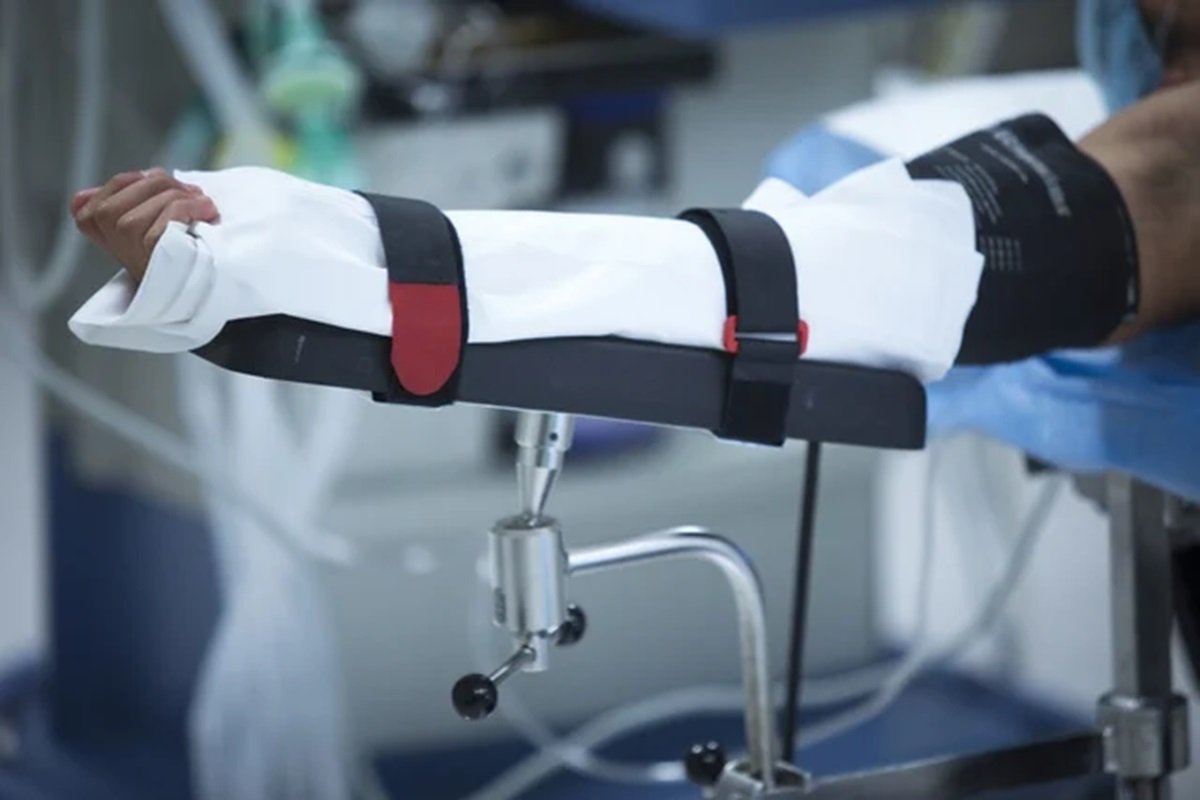
Before tennis elbow surgery, your orthopedic surgeon will review your medical history and discuss potential surgical risks to ensure you are a good candidate. In some cases, imaging tests such as an MRI may be required to assess the extent of tendon degeneration and determine the best surgical approach. To reduce the risk of medical complications, you may be advised to avoid NSAIDs (nonsteroidal anti-inflammatory drugs) or blood thinners in the days leading up to surgery, as these can increase the risk of excessive bleeding. Depending on the type of procedure, you may receive general anesthesia, regional anesthesia, or a nerve block to keep you comfortable and pain-free during the operation.
After the Procedure
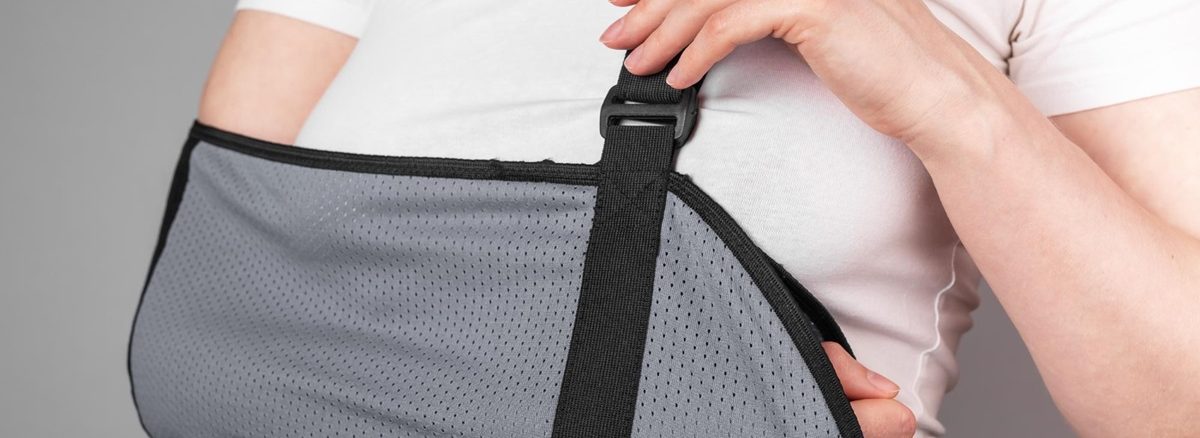
After tennis elbow surgery, your arm will be placed in a compression bandage or elbow splint to provide protection and support during the initial healing phase. To minimize swelling, doctors recommend elevation of the arm and ice therapy, which can also help manage post-surgical discomfort. A structured recovery plan that includes physiotherapy and postoperative stretching is essential for restoring elbow flexibility and strength. Following a guided rehabilitation program will improve mobility and prevent stiffness. The full tennis elbow surgery recovery time varies based on the procedure performed but typically takes 3 to 6 months. Commitment to physical therapy and gradual strength exercises will help ensure a smoother and more complete recovery.
What are the Risks of Tennis Elbow Surgery?
While most tennis elbow surgery procedures have manageable risks, waiting for treatment can exacerbate the pain and cause additional strain on your body. Timely Medical Alternatives helps patients avoid long waiting by quickly connecting them with top orthopedic surgeons. With reduced wait times, you can move forward with your surgery sooner, minimizing the potential for complications and ensuring that you receive the care you need when you need it most. For more information or to get started, contact us today.
Difficulty in Straightening Your Arm
Stiffness is a common post-surgery issue, making it difficult to fully straighten the arm in the initial stages of recovery. This may be particularly frustrating for patients who rely on their elbow flexibility for daily tasks. However, regular physical therapy and strength exercises are essential to restore movement, improve elbow flexibility, and prevent long-term limitations. With consistent rehabilitation, most patients experience significant improvement in the range of motion.
Infection
As with any surgical procedure, there is always a risk of infection at the incision site, which can lead to redness, swelling, and fever. Infection can delay the healing process and may require additional treatment, such as antibiotics. Following the aftercare instructions provided by your surgeon, such as keeping the wound clean and dry, is crucial for minimizing the risk of infection. If signs of infection develop, contacting your doctor promptly is important to avoid further complications.
Nerve Damage
While rare, there is a small chance of nerve injury during tennis elbow surgery, particularly with more invasive procedures like open surgery. This can lead to numbness, weakness, or tingling in the arm or hand. If nerve damage does occur, it may be temporary and improve with time, but in some cases, the symptoms could be long-lasting or permanent. Patients should discuss the risks of nerve damage with their surgeon before proceeding, and follow-up care may be needed to monitor recovery.
Blood Loss
Though typically minimal, blood loss is a natural part of any surgical procedure. While the risk is low, patients need to be aware that excessive blood loss can lead to complications, such as prolonged recovery or the need for a blood transfusion. Surgeons take steps to minimize bleeding during surgery, but discussing your medical history and any conditions that could increase bleeding risks is essential. Proper post-surgical care, including rest and monitoring, helps ensure that blood loss doesn’t affect recovery.
General Anesthesia (Breathing Problems)
General anesthesia is often used during tennis elbow surgery, and while it is generally safe, some individuals may experience side effects such as nausea, vomiting, or difficulty breathing. People with underlying health conditions or sensitivities may be at higher risk for complications related to anesthesia. It’s important to discuss any concerns with your surgeon and anesthesiologist before the procedure. Patients are closely monitored after surgery to manage any breathing problems or other anesthesia-related side effects.
Reasons Your Doctor May Recommend Tennis Elbow Surgery
In most cases, tennis elbow can be managed with conservative treatments like physical therapy, rest, and medications. However, in certain situations where these methods fail to provide relief, surgery for tennis elbow may become necessary. Your doctor may recommend surgery if your condition has not improved over time or is significantly impacting your ability to function in daily life.
Persistent Elbow Pain for 6 to 12 Months
If elbow pain persists for 6 to 12 months despite trying various treatments, such as PRP injections, shock wave therapy, and physical therapy, surgery may be the best option. Chronic pain can severely affect your mobility and overall function, making it harder to complete everyday activities. When non-surgical interventions do not bring lasting relief, surgery offers the chance to remove damaged tissue and promote healing. In cases like these, surgery can help restore function and eliminate the discomfort that has lasted far beyond expected recovery time.
Difficulty Performing Your Job or Daily Activities Due to Ongoing Pain
Chronic tennis elbow pain can severely affect your quality of life, especially when it impedes your ability to perform work tasks or engage in daily activities. The pain can become debilitating for people whose job requires repetitive arm motions, such as athletes or manual laborers. Once simple tasks, such as typing, lifting, or turning a doorknob, become difficult and painful. If pain persists and prevents you from working or completing household chores, your doctor may recommend surgery to improve your quality of life and restore arm function.
Corticosteroid Injections Have Been Ineffective in Relieving the Pain
Corticosteroid injections are often used to relieve inflammation temporarily, but if multiple injections have failed to relieve tennis elbow pain, your sports medicine specialist may recommend surgery. While cortisone shots can reduce swelling and discomfort, they do not address the underlying cause of the injury. If you continue to experience pain after multiple injections, surgery may be necessary to remove damaged tendon tissue and stimulate the healing process. Persistent pain, despite steroid treatment is often an indication that more invasive measures are needed for lasting relief.
Conclusion
Tennis elbow surgery is a last resort for those who have tried all non-surgical treatments without success. While there are risks, advancements in minimally invasive techniques have improved recovery outcomes. If you are struggling with chronic elbow tendonitis, consult an orthopedic surgeon to discuss whether surgery to fix tennis elbow is right for you.
FAQs
How long does it take to recover from tennis elbow surgery?
Recovery typically takes 3 to 6 months, depending on the procedure and individual healing. Physical therapy is essential for regaining strength, flexibility, and full function.
Is tennis elbow surgery a major surgery?
Most procedures are outpatient and minimally invasive, allowing patients to return home the same day. Techniques like arthroscopy and Tenex reduce scarring and recovery time compared to traditional open surgery.
Is tennis elbow surgery worth it?
Surgery is beneficial for those with chronic pain who are unresponsive to other treatments, improving flexibility and function. While recovery takes effort, many patients experience long-term relief and improved quality of life.
