

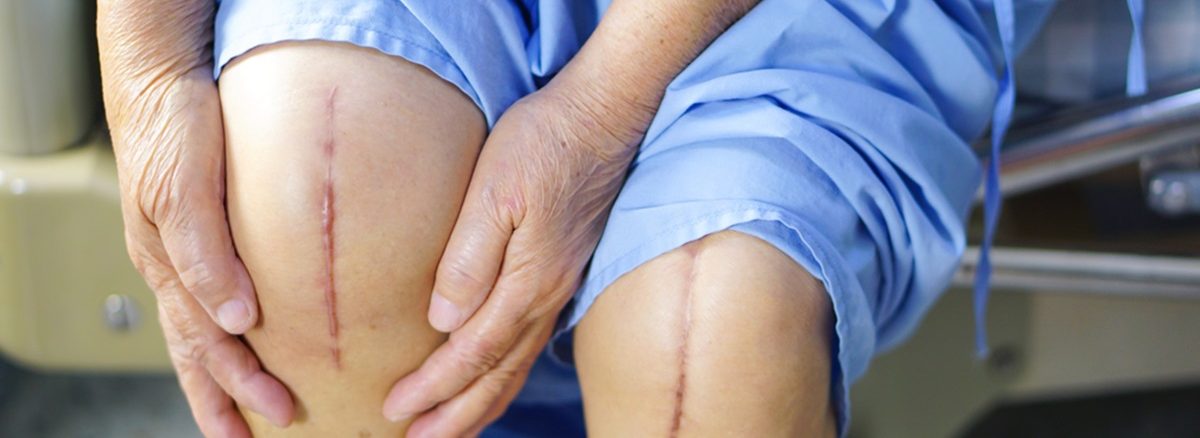
Knee replacement surgery is often a necessary solution for those suffering from severe osteoarthritis, rheumatoid arthritis, or joint degeneration due to aging or injury. However, many misconceptions surround the procedure, recovery timeline, and long-term success of knee implants. Many patients ask, “What is the recovery time for knee replacement?” while others are concerned about potential risks such as joint infection, nerve damage, or revision surgery. This blog aims to uncover the truth about knee replacement surgery, discussing everything from the procedure to recovery tips, private surgery options, and commonly asked questions. Whether you’re considering total knee replacement, partial knee replacement, or a minimally invasive knee replacement, this guide will help you make an informed decision about your health.
Introduction to Knee Replacement Surgery
Knee pain can significantly impact daily life, challenging even simple activities like walking or climbing stairs. For individuals suffering from osteoarthritis, rheumatoid arthritis, or severe joint damage, knee replacement surgery offers a long-term solution to restore mobility and alleviate chronic pain. Understanding how the procedure works, the different types of knee joint replacement, and what to expect can help patients make informed decisions about their health.
What is Knee Replacement Surgery?
Knee replacement surgery, also known as knee arthroplasty, is a procedure in which a damaged knee joint is replaced with an artificial joint made of metal and plastic implants. An orthopedic surgeon typically performs this surgery, and is designed to restore joint surfaces, reduce pain, and improve mobility in patients suffering from severe knee conditions.
There are different types of knee replacement surgeries, depending on the severity of the damage. In a total knee replacement, the entire knee joint is replaced with prosthetic parts, whereas a partial knee replacement (unicompartmental knee replacement) involves replacing only a portion of the knee, typically in cases of localized arthritis. A patellofemoral joint arthroplasty is a specialized procedure that replaces only the kneecap joint, while a minimally invasive total knee replacement is a modern technique that uses smaller incisions and reduces muscle disruption, allowing for a quicker recovery.
Why Consider Knee Replacement?
Knee replacement is often recommended when arthritis progresses to chronic pain and significantly limits mobility, making daily activities difficult. Some of the most common conditions that may necessitate knee replacement include osteoarthritis, the most prevalent cause, which results in the gradual breakdown of cartilage, and rheumatoid arthritis, an inflammatory arthritis that leads to joint damage. Additionally, meniscus tears and ligament damage can cause long-term joint instability, and severe bone fractures may require joint replacement if natural healing is not possible.
Before recommending surgery, doctors typically explore non-surgical treatments, such as drug treatments, knee joint injections, arthroscopic washout and debridement, and physiotherapy. These approaches aim to manage pain and improve function without surgery. However, if these methods fail to provide relief, knee joint replacement becomes the next step to restore mobility and enhance the patient’s quality of life.
The Truth About Knee Replacement Surgery
Knee replacement surgery has become increasingly common, particularly in the past decade. The number of total knee replacements performed annually in the United States has doubled, with a significant rise among younger adults opting for the procedure. While total knee replacement remains one of the most effective treatments for end-stage osteoarthritis, it is important to recognize that some patients may experience persistent pain and, in rare cases, severe complications such as joint infection or implant loosening. Understanding these potential risks helps patients set realistic expectations and make informed decisions about their treatment.
Common Misconceptions
There are many myths surrounding knee replacement surgery that cause unnecessary fear and hesitation. One common misconception is that knee replacement is only for the elderly. While it is true that most patients undergoing the procedure are older adults, younger individuals with severe knee damage or a major deformity of the knee may also require surgery to regain mobility and reduce chronic pain. Another myth is that recovery takes years, leading some to believe they will be bedridden for an extended period. However, what is the recovery time for knee replacement? While full recovery can take 3–6 months, many patients return to light activities within a few weeks. Lastly, some worry that knee implants don’t last long, assuming they will need another surgery in a few years. Modern joint implants are designed to last 15–20 years or more, particularly when patients follow weight management guidelines and avoid high-impact activities that can stress the prosthetic joint.
Success Rates and Longevity
The demand for knee replacement surgery has surged, with statistics highlighting its prevalence across different age groups. As of 2010, approximately 1.52% of the U.S. population had undergone a total knee replacement, which increased significantly with age. The procedure was more common among women than men, with prevalence reaching 10.38% among individuals aged 80 and older. These numbers reflect the growing reliance on joint implants to improve quality of life, but they also emphasize the importance of long-term implant durability and patient-specific considerations before surgery.
Potential Risks and Complications
Although knee replacement surgery is generally safe, like any major procedure, it has potential risks. Some of the most common complications include joint infection and wound infection, which can delay healing and may require additional medical intervention. A more severe risk is a deep infection, which in some cases necessitates revision surgery to remove and replace the affected prosthetic implant. Other possible complications include nerve damage, which can cause numbness or weakness in the leg, and blood clots, which may lead to dangerous conditions like complex regional pain syndrome. To minimize these risks, patients undergo a pre-operative surgical risk assessment to ensure they are suitable candidates for surgery. Additionally, wound care arrangements and physical therapy are critical components of recovery, helping to prevent complications and promote successful healing.
Understanding the Recovery Process

Recovering from knee replacement surgery is a gradual process that requires patience, commitment, and adherence to a structured rehabilitation plan. While some patients worry about how long it will take to regain full mobility, the right combination of physical therapy, pain management, and activity modification can lead to a smooth and successful recovery. Understanding the short-term and long-term recovery timelines and the factors that influence healing, can help patients feel more confident and prepared for their journey to better mobility.
Immediate Postoperative Care
After knee replacement surgery, patients typically remain in the hospital for 1–3 days, where they receive pain management, wound care, and initial physical therapy to promote healing and prevent complications. During this period, the medical team closely monitors the patient’s condition, ensuring they are stable and responding well to treatment. Assistive devices, such as a walker or crutches, are encouraged to provide stability and support as the patient begins moving. Early movement is essential for preventing blood clots and improving circulation, setting the foundation for a smooth recovery.
Short-Term Recovery Timeline
The early stages of recovery focus on restoring range of motion, strengthening muscles, and gradually increasing mobility. During Weeks 1–2, patients perform range-of-motion and quadriceps exercises to prevent stiffness and improve knee flexibility. By Week 3–6, walking becomes more comfortable, and many patients transition from using a walker to a cane for additional support. As healing progresses, patients typically regain greater independence, and by Weeks 6–12, they can resume many of their daily activities. At this stage, home exercises and physiotherapy play a crucial role in maintaining progress and preventing complications.
Long-Term Rehabilitation
Building muscle strength and improving flexibility is a continuous process that extends over 3–6 months. Patients are encouraged to follow a structured physical therapy plan, incorporating low-impact exercises such as swimming and cycling to improve endurance and maintain joint function. These exercises help strengthen the muscles surrounding the knee, reducing strain on the prosthetic joint and enhancing overall mobility. A commitment to long-term rehabilitation is essential for achieving the best possible outcomes and ensuring the longevity of the knee implants.
Factors Influencing Recovery Time
Several factors influence the speed and success of knee replacement recovery. Pre-surgery fitness levels play a crucial role, as patients in good physical condition tend to recover more quickly. Weight loss, if necessary, can significantly reduce stress on the new joint, leading to better long-term outcomes. Additionally, activity modification—such as avoiding high-impact activities and following the prescribed exercise plan—can prevent excessive strain on the knee and enhance the healing process. Finally, a strong commitment to rehabilitation, including regular physical therapy and adherence to medical recommendations, ensures optimal recovery and long-term success.
Knee Replacement Recovery Tips
Recovering from knee replacement surgery requires dedication, patience, and a well-structured rehabilitation plan. While the procedure is a significant step toward reducing pain and restoring mobility, what happens after surgery is just as important. Following essential knee replacement recovery tips, including home preparation, physical therapy, and lifestyle modifications, patients can enhance their healing process and regain independence more quickly.
Preparing Your Home
Before knee replacement surgery, preparing your home to ensure a smooth and comfortable recovery is essential. Simple modifications, such as installing grab bars in the bathroom, using a shower chair, and rearranging furniture to create clear pathways, can help prevent falls and make movement easier. Having frequently used items within reach and setting up a comfortable resting area on the main floor can also minimize strain on the healing knee.
Importance of Physical Therapy
A successful recovery heavily depends on physiotherapy and range-of-motion exercises, which help restore knee function, prevent stiffness, and improve muscle strength. Engaging in quadriceps exercises and working with a physiotherapist can significantly speed up rehabilitation, ensuring that patients regain mobility and reduce discomfort. Many patients reflect on what I wish I knew before knee replacement surgery, often realizing that physical therapy plays a much larger role in recovery than they initially expected. Skipping or neglecting physical therapy may lead to complications such as joint stiffness or limited range of motion, making it crucial to stay committed to the prescribed exercise regimen to achieve the best possible outcome.
Nutrition and Lifestyle Considerations
A well-balanced diet plays a crucial role in post-surgery healing. Dietary supplements like vitamin D and calcium help support bone healing, while a protein-rich diet promotes muscle recovery. Additionally, weight loss before and after surgery can reduce stress on the prosthetic joint, improving long-term outcomes and minimizing the risk of implant failure. Patients are also advised to avoid high-impact activities, such as running or jumping, as these can accelerate implant wear and affect the longevity of the prosthetic joint. These lifestyle adjustments can significantly enhance the success of knee replacement surgery and overall quality of life.
Exploring Private Knee Replacement Surgery

For many patients, the long wait times associated with public healthcare systems can be a major concern when considering knee replacement surgery. Opting for private knee replacement surgery offers shorter wait times, access to top orthopedic surgeons, and personalized care tailored to individual needs.
Timely Medical Alternatives provides a fast, reliable, and high-quality solution for individuals seeking timely access to knee replacement surgery. With long wait times in the public healthcare system, many patients experience prolonged pain and decreased mobility while awaiting treatment. Timely Medical Alternatives offers expedited access to top fellowship-trained orthopedic surgeons and state-of-the-art surgical facilities, ensuring that patients receive total knee replacement or partial knee replacement without unnecessary delays. By prioritizing patient care, efficiency, and high-quality medical outcomes, the company helps individuals regain mobility and quality of life as quickly as possible.
Benefits of Private Surgery
Private knee replacement surgery offers several advantages, including shorter wait times, access to fellowship-trained surgeons, and customized recovery programs tailored to individual needs. Unlike public healthcare systems, where waitlists can be long, private facilities allow patients to schedule surgery conveniently, leading to faster pain relief and improved mobility. Additionally, private hospitals often provide state-of-the-art technology, including robotic-assisted knee replacement and advanced prosthetic implants, which can enhance surgical precision and improve long-term outcomes.
Costs and Insurance Considerations
The cost of private knee replacement surgery typically ranges from $15,000 to $50,000, depending on the facility, surgeon, and type of implant used. Some private insurance plans may cover a portion of the procedure, but coverage varies widely, making it essential for patients to check with their providers. Additional expenses, such as postoperative rehabilitation, physiotherapy sessions, and assistive devices, should also be factored into the overall cost when considering private surgery.
Selecting the Right Surgeon and Facility
Choosing the right orthopedic surgeon and surgical facility is critical for achieving the best possible outcomes. If needed, patients should seek a fellowship-trained surgeon with extensive experience in minimally invasive knee replacements, prosthetic implant procedures, and revision surgeries. Researching the hospital’s reputation, patient reviews, and available rehabilitation programs is also advisable to ensure a smooth recovery. Consulting with multiple specialists and asking about surgical procedures, expected recovery time, and potential risks can help patients make an informed decision before surgery.
Conclusion
Knee replacement surgery is a proven solution for chronic knee pain and mobility issues. By understanding the truth about knee replacement surgery, preparing for recovery, and considering private surgery options, patients can make an informed decision for their health. With advances in surgical techniques, including minimally invasive knee replacements and robotic-assisted knee replacement, outcomes have significantly improved, leading to faster recovery times and better long-term results. Choosing an experienced orthopedic surgeon and committing to physical therapy and activity modification can greatly enhance the procedure’s success and improve quality of life.
FAQs
Can life be normal after knee replacement?
Yes! Most patients return to an active lifestyle with proper pain management and physical therapy. Many individuals find that they can engage in activities they previously avoided, such as walking long distances, gardening, and even light recreational sports.
How soon can I walk after knee replacement?
Most patients begin walking with assistance the day after surgery. Full mobility is regained within 3–6 months. However, the recovery speed depends on muscle strength, adherence to range-of-motion exercises, and overall health condition.
What happens if you delay knee replacement surgery?
Delaying surgery can lead to arthritis progression, major bone loss, and reduced surgical success rates. In severe cases, delaying the procedure may result in ligament damage, increased pain, and a more complex surgical intervention, such as revision surgery or knee fusion.
