


Hip replacement surgery has become a widely used solution for alleviating hip pain and improving mobility in patients with joint damage. However, when considering surgery, many patients often ask, which method of hip replacement is the best? anterior or posterior? Both approaches have their benefits and risks, and selecting the right one depends on factors such as age, health condition, and lifestyle.
Understanding Hip Replacement Surgery
- What Is Hip Replacement?
Hip replacement surgery involves replacing damaged parts of the hip joint with an artificial hip implant. This type of joint replacement surgery can significantly reduce joint pain and improve mobility for individuals suffering from conditions like hip arthritis. Understanding the process, the types of hip replacement available, and the different approaches can help you make the best choice.
- Common Reasons for Hip Replacement Surgery
Hip replacement is often recommended for individuals with conditions such as osteoarthritis, rheumatoid arthritis, hip fractures, and avascular necrosis, where the hip bone tissue dies due to a lack of blood supply. These conditions can severely limit movement and cause chronic pain, making surgery a viable option.
- Types of Approaches to Hip Replacement Surgery: Anterior vs. Posterior
There are two primary approaches to hip replacement surgery: the anterior (front) approach and the posterior (back) approach. Each method involves different surgical techniques, positioning, and recovery processes.
Approximately 7 million people in the U.S. currently live with a hip or knee replacement, and many continue to maintain mobility despite suffering from advanced arthritis. These figures highlight the significant role that total hip replacement and knee surgeries play in improving public health.
Comparing Surgical Approaches: Posterior vs. Anterior
Both the posterior and anterior approaches offer effective solutions for total hip replacement, but the choice largely depends on factors such as muscle preservation, recovery time, and the surgeon’s expertise with each method. It’s important to weigh the benefits of each approach based on your individual needs and long-term goals for mobility and function.
According to the 2022 American Joint Replacement Registry Annual Report, over 2.8 million hip and knee procedures have been documented from more than 1,250 institutions across all 50 states and Washington, D.C. This marks a 14% increase in the number of procedures reported compared to the previous year, positioning the registry as the largest arthroplasty registry worldwide by volume.
Posterior Approach
- What Is the Posterior Approach ?
The posterior approach is the most commonly used method for hip replacement surgery. In this procedure, the surgeon makes an incision along the back of the hip to access the joint. This approach allows for a clear view of the hip joint and provides flexibility during surgery.
- Pros: Offers excellent visibility of the hip joint, making it easier for surgeons to place the implant accurately. This approach is versatile and can be used for various types of hip surgeries.
- Cons: The posterior approach may involve cutting through more muscles and tendons, which can result in a longer recovery time and more post-operative precautions.
Anterior Approach
- What Is the Anterior Approach?
The anterior approach is a newer technique in which the surgeon makes an incision on the front of the hip. This method is less invasive, as it avoids cutting through major muscles, which can lead to a faster recovery.
- Pros: Muscle-sparing technique, leading to quicker recovery and fewer movement restrictions after surgery. Patients may experience less post-operative pain and a shorter hospital stay.
- Cons: The anterior approach requires specialized equipment and training, and not all surgeons are experienced with this technique. There may also be limitations for patients with certain hip or pelvic anatomies.
How the Approaches Differ in Technique and Access Points
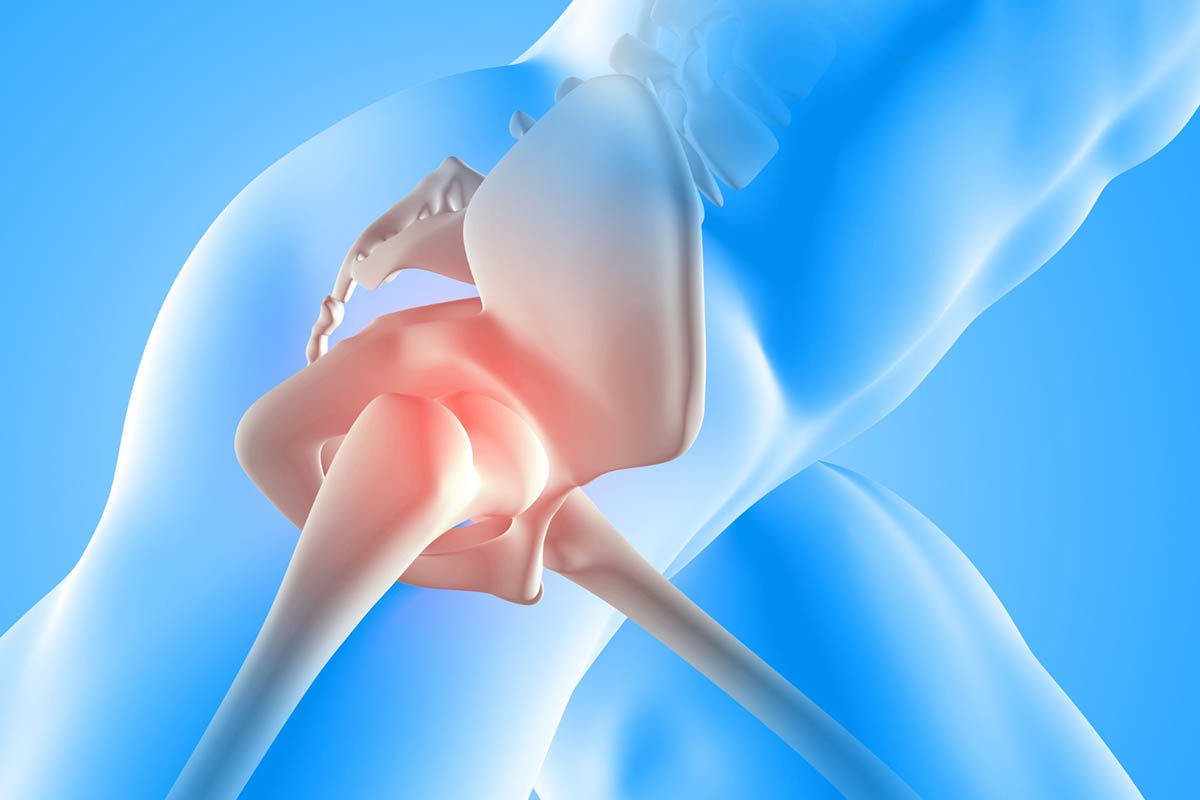
The primary difference between these common approaches lies in where the surgeon accesses the joint. The posterior approach accesses the joint from behind, while the anterior approach goes through the front. These access points affect not only the invasive technique but also recovery, mobility, and the potential for complications.
Intraoperative Visualization and Precision
Choosing the best approach depends on the level of precision and visibility a surgeon requires during the operation. Both methods offer distinct benefits regarding visibility of the hip joint during the hip replacement procedure.
Posterior Approach
- Surgical Field Visibility and Technique
The posterior approach offers surgeons a wider field of view during the operation, making it easier to see and manipulate the joint. This visibility can enhance the precision of implant placement.
- Implications for Surgeon Precision
Since the surgeon can clearly see the joint, the posterior approach may be advantageous for more complex cases, offering more control and precision during surgery.
Anterior Approach
- Surgical Field and Patient Positioning
In the anterior approach, the patient is positioned in a way that requires less muscle disruption, but the visibility of the joint can be more limited. This technique often utilizes advanced imaging technology to guide the surgeon.
- Technology and Precision Benefits
The use of fluoroscopy (real-time X-rays) during anterior hip replacement allows surgeons to place the implant with high precision, despite the restricted surgical field.
Muscle Preservation and Recovery Time
Recovery after hip replacement surgery can be influenced by the amount of muscle damage caused during the procedure. Muscle-sparing approaches generally lead to quicker recoveries.
Posterior Approach
- Muscle Involvement and Healing Process
In the posterior approach, more muscle groups are involved, which can lead to a longer healing process. The recovery may also require more physical therapy to restore full function.
- Implications for Recovery and Rehabilitation
Patients undergoing the posterior approach may experience a longer hospital stay and more limitations on movement during the early stages of recovery.
Anterior Approach
- Muscle-Sparing Techniques
The anterior approach is known for its muscle-sparing technique, which minimizes trauma to the surrounding tissues. This can result in less post-operative pain and quicker functional recovery.
- Faster Recovery and Shorter Hospital Stays
Because the anterior approach preserves muscles, patients often experience a shorter hospital stay and can return to daily activities faster.
Risk of Nerve Damage and Complications
Like all surgeries, hip replacement operations carry certain risks. The risk of complications may vary depending on the chosen hip approach.
Posterior Approach
- Risk Factors and Common Complications
The posterior approach has a slightly higher risk of dislocation due to the involvement of more muscles and tendons. There is also a greater chance of post-operative precautions and movement restrictions to prevent complications.
Anterior Approach
- Nerve Protection and Safety Measures
The anterior approach has a lower risk of hip dislocation but may carry a small risk of nerve damage, particularly to the lateral femoral cutaneous nerve, which can result in temporary numbness in the thigh.
Post-Operative Precautions and Mobility
The level of post-operative mobility differs between the anterior and posterior approaches, with the former offering more immediate freedom of movement.
Posterior Approach
- Movement Restrictions After Surgery
Patients who undergo the posterior approach often face more movement restrictions post-surgery, such as avoiding crossing their legs or bending the hip past 90 degrees to prevent dislocation.
- Long-Term Precautionary Measures
While the long-term success rate is high, patients may need to take certain precautions indefinitely to protect the new hip joint from dislocation.
Anterior Approach
- Immediate Post-Surgery Mobility and Care
Patients who opt for the anterior approach typically enjoy more freedom of movement right after surgery. They may walk and bend the hip without significant restrictions.
- Long-Term Outcomes for Mobility and Functionality
The anterior approach generally results in a quicker return to normal activities, with minimal long-term mobility limitations.
Return to Activity and Quality of Life
The goal of any hip replacement procedure is to restore a high quality of life by relieving joint pain and allowing patients to return to their daily activities with ease. With both approaches, patients can expect significant improvements in mobility and overall functionality, although the anterior approach may lead to a faster return to physical activities.
Although many patients experience improved mobility after total hip replacement, some continue to face challenges with activities like walking, climbing stairs, and getting in and out of cars. Research indicates that five years after the surgery, 7% of patients with moderate limitations and 20% with severe limitations before surgery still experience significant difficulties. For those undergoing revision surgery, 13% with moderate limitations and 30% with severe limitations reported persistent issues five years later. However, it’s important to note that the majority, or 70%, showed significant improvement.
Recovery Timeline for Posterior vs. Anterior Approach
- Expected Return to Daily Activities
Patients undergoing the anterior approach may return to their daily activities sooner than those who have the posterior method. However, recovery times can vary depending on individual health factors.
Long-Term Outcomes for Both Approaches
- Impact on Sports, Fitness, and Daily Movement
Both the anterior and posterior approaches offer excellent long-term outcomes in terms of mobility, sports, and daily activities. The choice between the two ultimately depends on personal preferences, health, and surgeon recommendations.
How to Choose the Right Hip Replacement Approach for You

When deciding between the anterior and posterior approaches for your total hip replacement, several key factors need to be considered. Each patient’s circumstances are unique, so understanding how these factors apply to your situation will help you make the best choice.
- Factors to Consider: Age, Activity Level, and Health Condition
Your age, activity level, and health condition play significant roles in determining which hip replacement approach is best for you. Younger, more active patients may prioritize quicker recovery and fewer movement restrictions, which may favor the anterior approach. In contrast, older individuals or those with more complex hip conditions may benefit from the posterior approach, which provides the surgeon with greater visibility and flexibility during the procedure. Additionally, pre-existing conditions such as hip arthritis, body type, and other medical conditions should be considered when choosing the right approach.
- Age: Younger patients might prefer a method with a faster recovery time, while older patients may prioritize long-term stability and reduced complication risks.
- Activity Level: If you’re an active individual who wants to return to high-impact activities or sports, the anterior approach may provide quicker mobility and fewer movement restrictions.
- Health Condition: Pre-existing health conditions, such as arthritis or prior surgeries, may influence the type of hip replacement procedure that is most appropriate for you.
- Consulting with an Orthopedic Surgeon: Getting a Second Opinion
It’s essential to consult with an experienced orthopedic surgeon to determine the best hip replacement type for your specific needs. Surgeons will evaluate your overall health, hip condition, and desired activity level before recommending an approach. If you’re unsure about the recommendation, consider getting a second opinion from another surgeon who specializes in joint replacement surgery. This can provide additional insight and ensure that you’re fully informed about the types of hip replacement available to you.
- Questions to Ask Your Surgeon Before Hip Replacement Surgery
Before deciding on a hip replacement approach, it’s important to ask your surgeon the right questions to gain clarity and confidence about the procedure. Some questions to consider include:
- Which approach do you recommend for my body type and hip condition, and why?
- What are the potential risks of hip replacement surgery with this approach?
- How long will my recovery take, and what should I expect in terms of pain relief and mobility after surgery?
- Are there any limitations to the materials used for the hip implant in this approach?
- What post-operative precautions will I need to follow?
By addressing these concerns, you can make an informed decision about your hip replacement surgery and ensure you have chosen the best method for your long-term health and lifestyle goals.
Conclusion
Both anterior and posterior hip replacement approaches have their own unique advantages and disadvantages. By understanding the differences between these techniques, you can make a more informed decision about which method is best for your individual needs. Always consult with your surgeon to determine the right approach for you.
At Timely Medical Alternatives, we understand that waiting for critical procedures like a hip replacement can significantly impact your quality of life. We offer expedited access to leading orthopedic surgery options, ensuring you receive timely, world-class care from highly skilled surgeons. With a focus on minimizing wait times and providing personalized, compassionate service, we help patients regain mobility and return to their daily activities sooner, improving their overall well-being. Trust Timely Medical Alternatives to connect you with the right specialists when you need them most.
FAQs
Which approach is better for hip replacement: anterior or posterior?
There is no definitive answer, as both approaches offer successful outcomes. The choice depends on factors like your anatomy, the surgeon’s expertise, and your personal health and recovery goals.
What is the recovery time for anterior vs. posterior hip replacement surgery?
Generally, recovery from the anterior approach is faster, with fewer movement restrictions, while the posterior approach may take longer due to more muscle involvement.
Are there any long-term differences in outcomes between anterior and posterior hip replacements?
Both approaches result in excellent long-term outcomes. However, the anterior approach may offer a quicker return to normal activities, while the posterior approach provides a more traditional surgical method with proven success.
